
Level 1 sweep and inspection to the NFPA 211 annual standard - flue, crown, cap, and flashing checked and photographed
Chimney sweep logs do not sweep chimneys. They loosen some creosote - which then falls where a brush and vacuum still have to collect it.
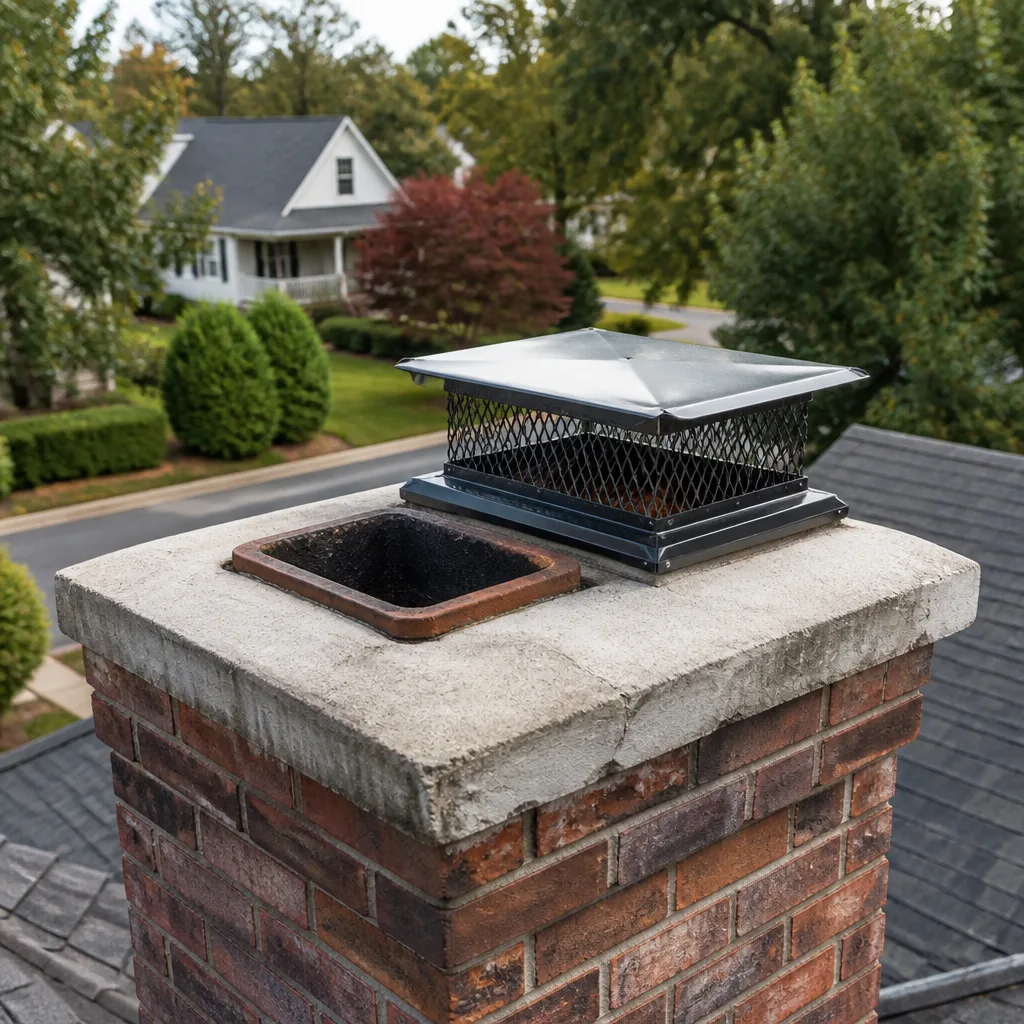
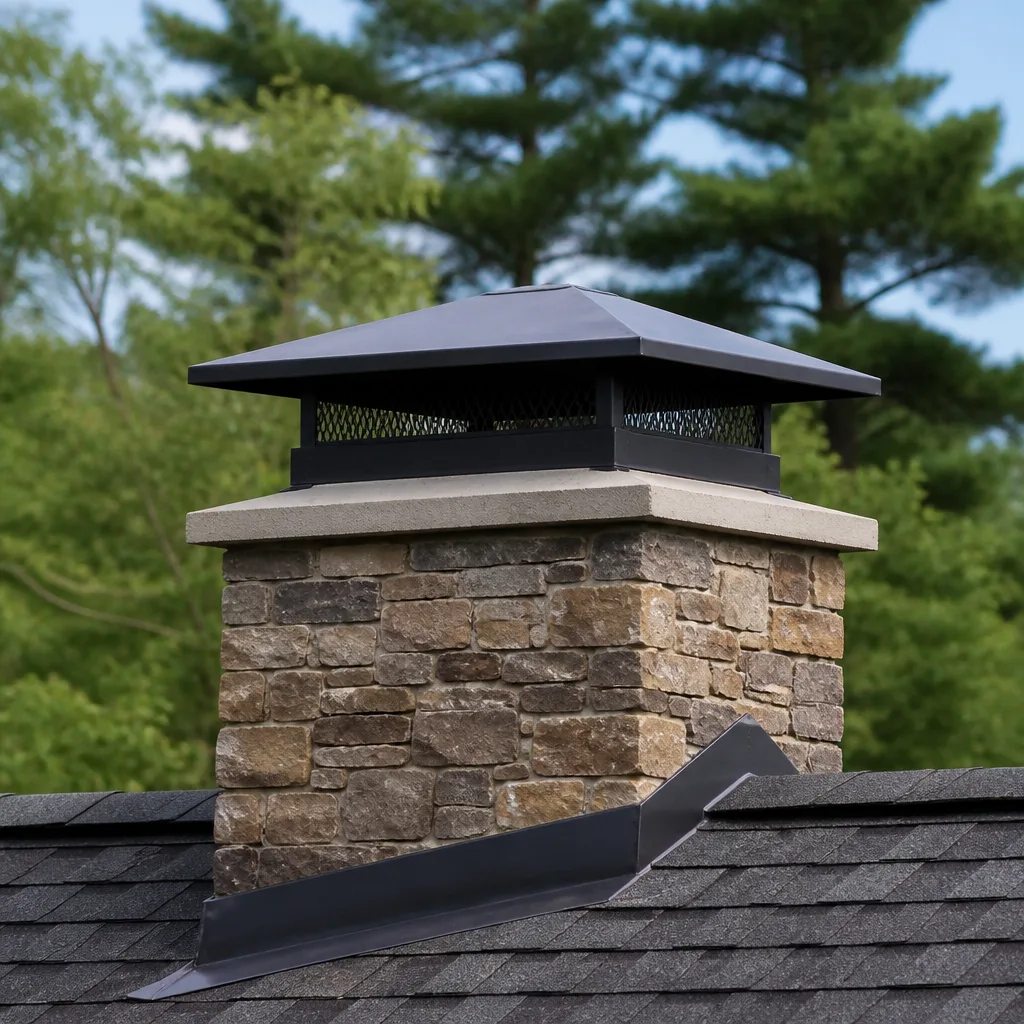
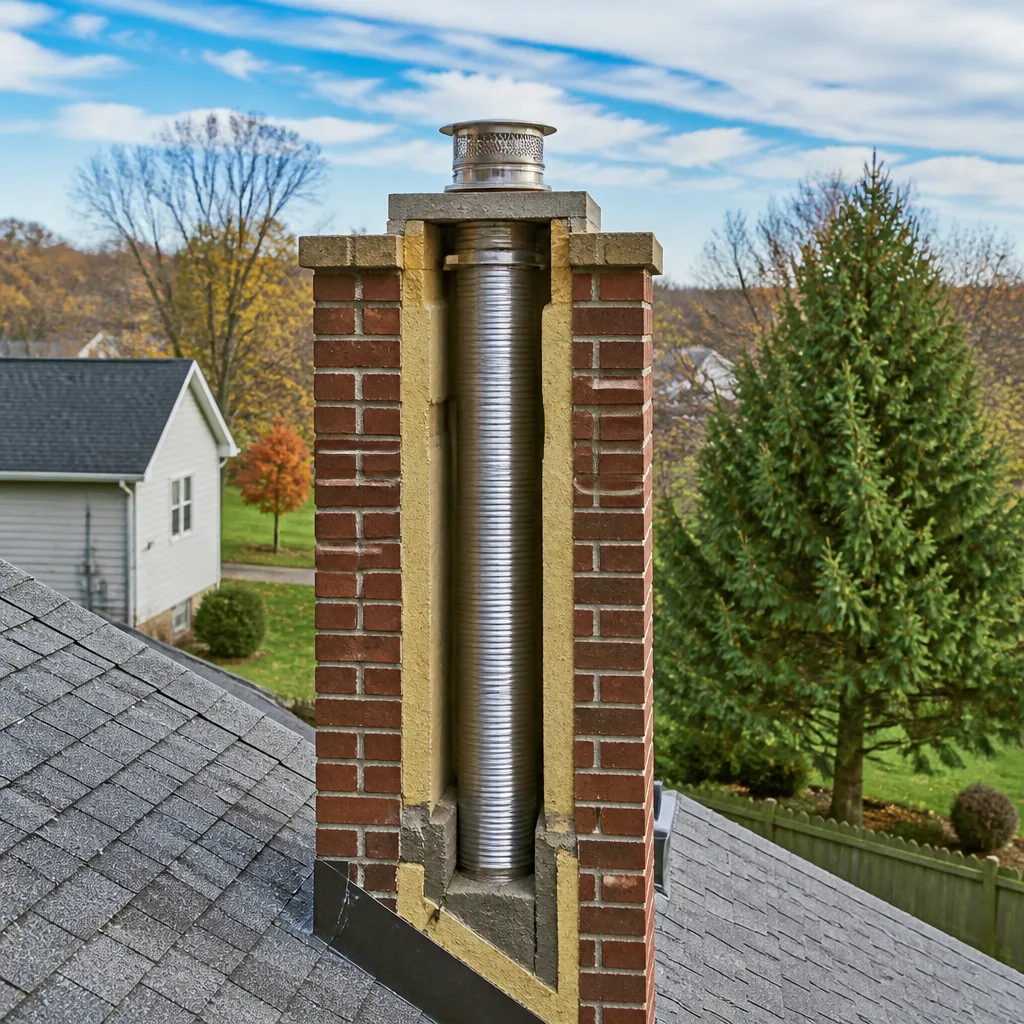
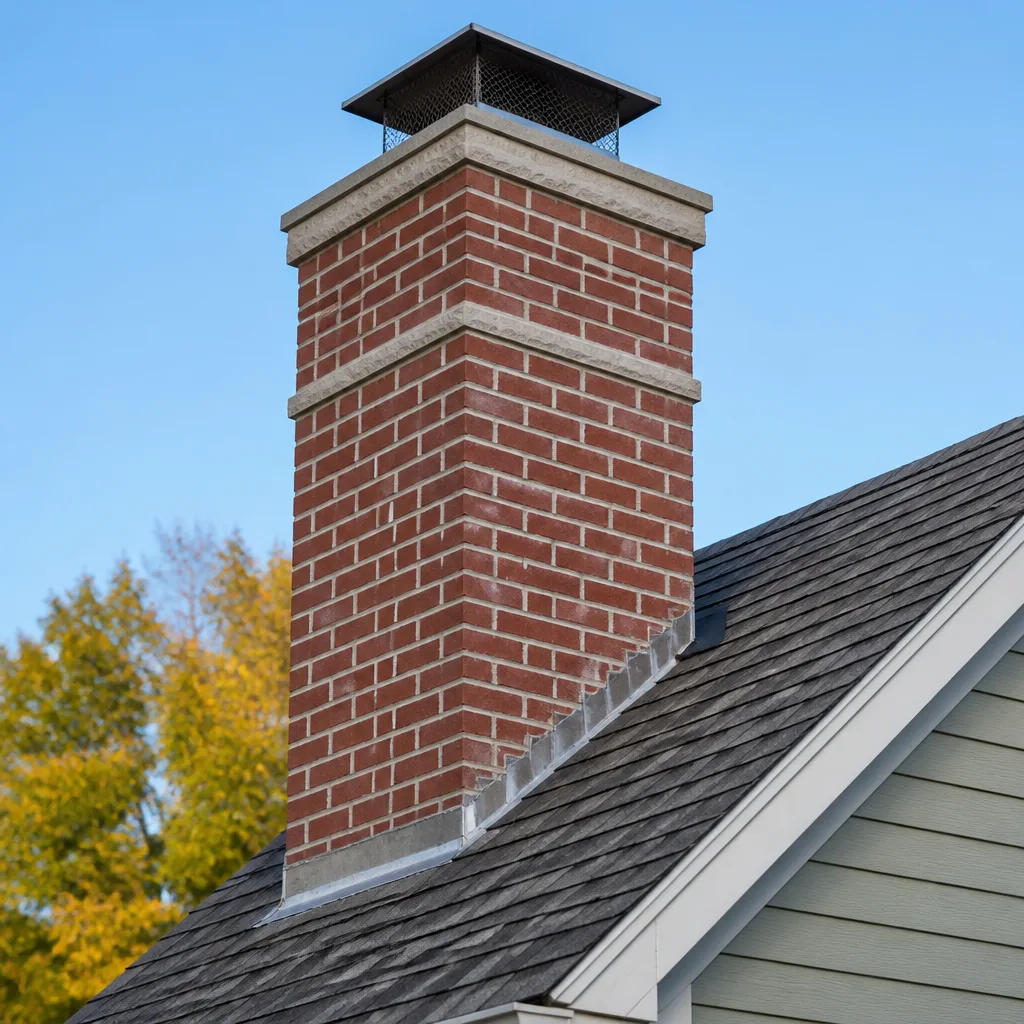
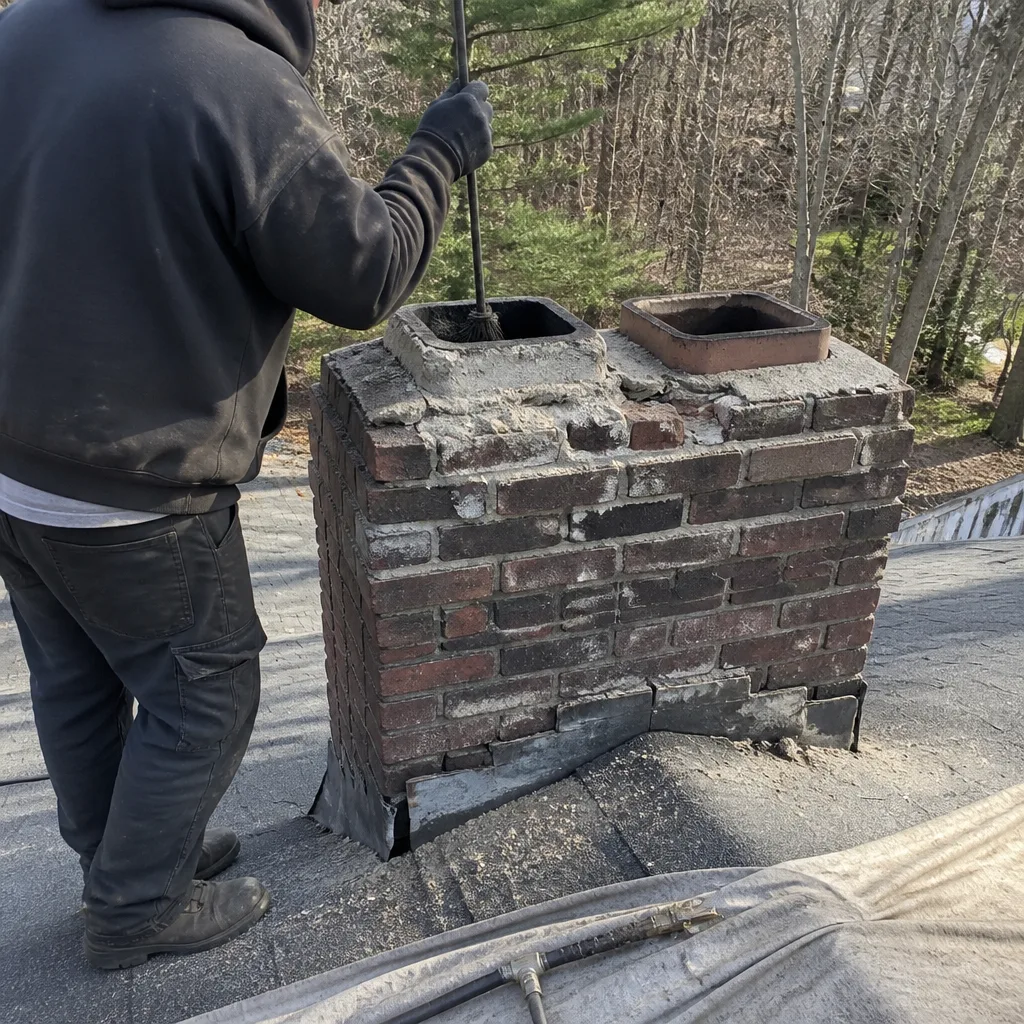 Before
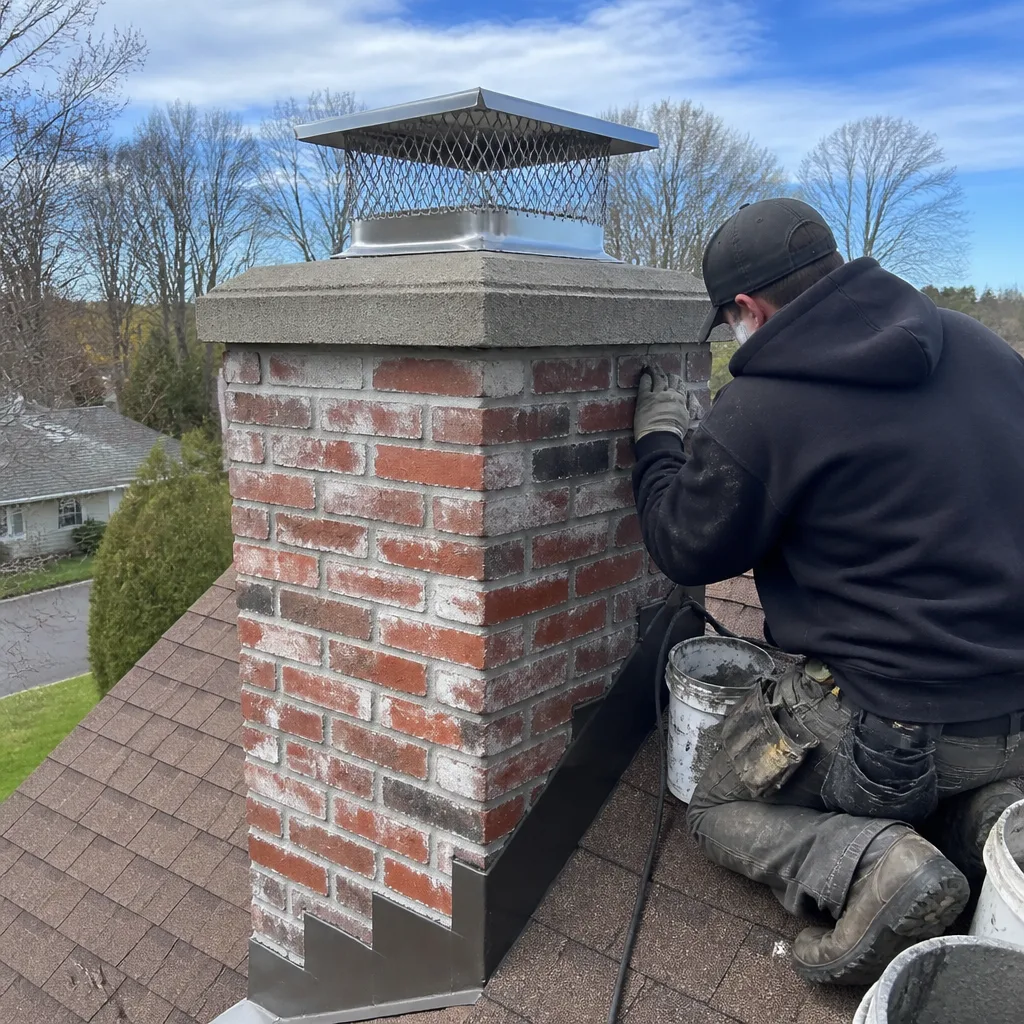 After
After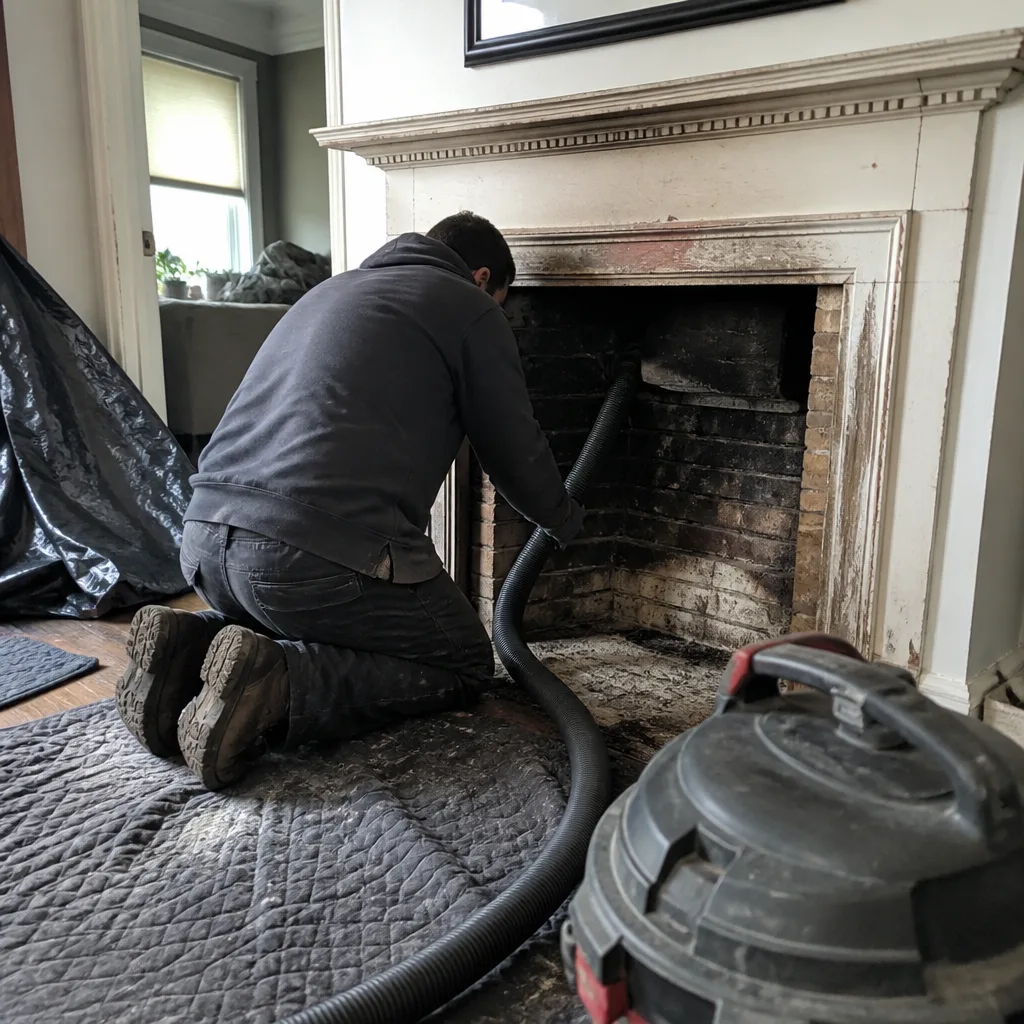 Before
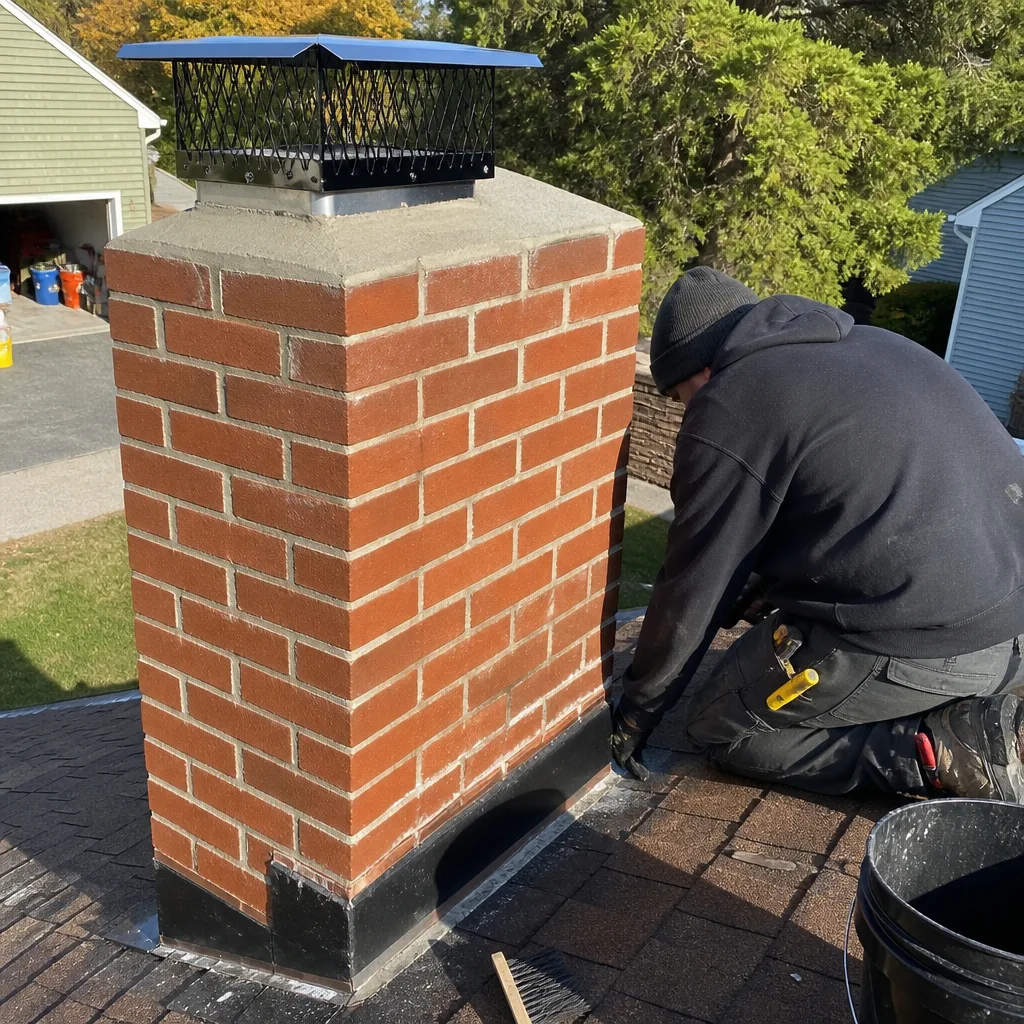 After
After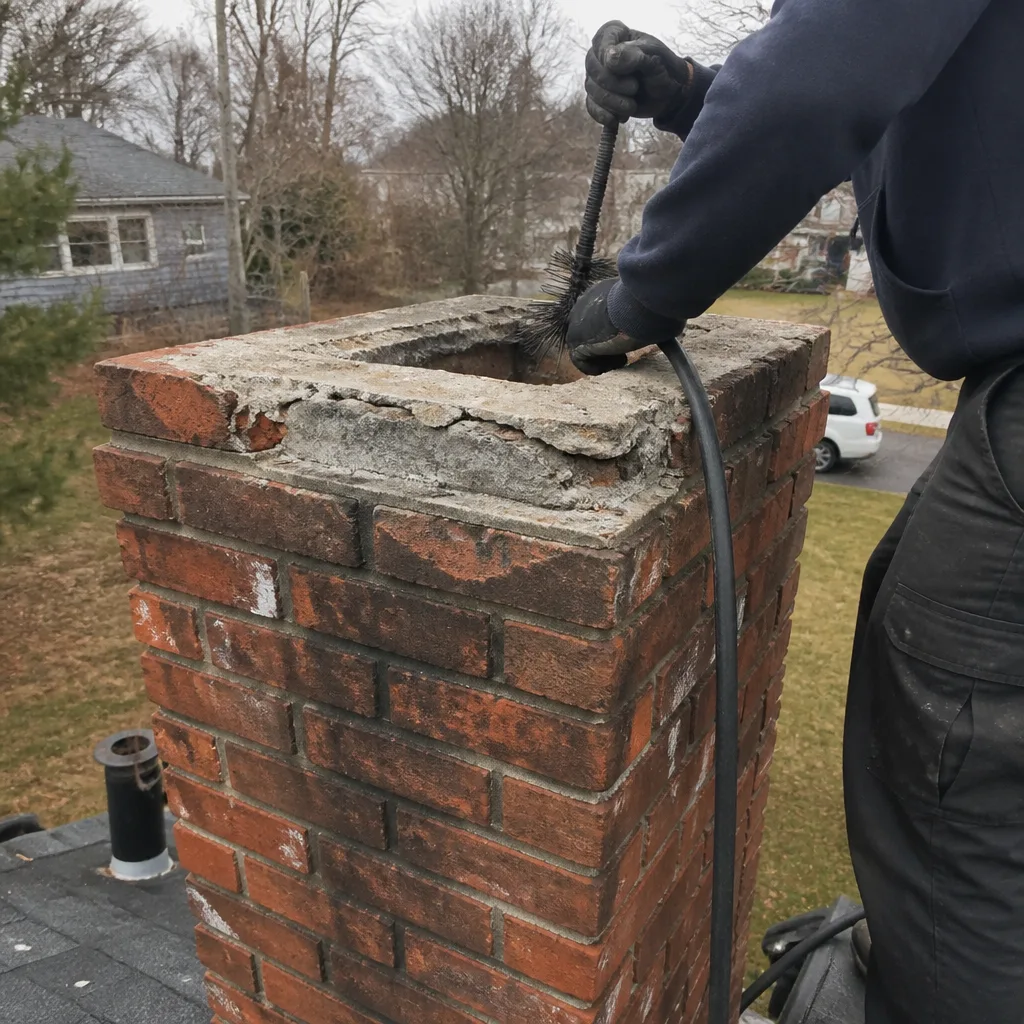 Before
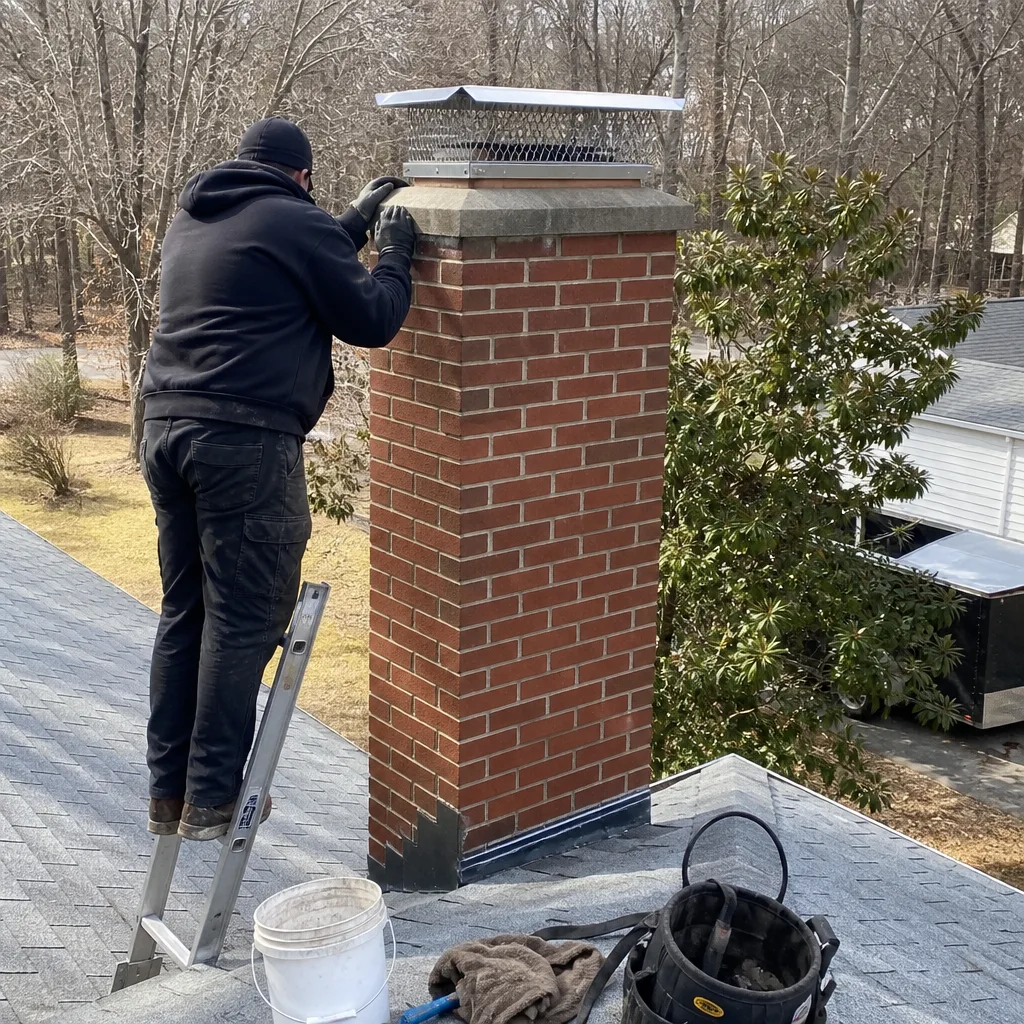 After
AfterCopperfield Chimney Cap Installation: The Taunton Owner’s Guide
Copperfield chimney cap installation in Taunton typically runs $380-$720 for most single-flue setups, with multi-flue and custom-fabricated models reaching $890-$1,400. We stock the common Copperfield galvanized and stainless-steel cap sizes on our trucks, and most replacements are completed in a single visit. If you’re seeing rust streaks down your chimney breast or hearing metal rattling in a south wind off Mount Hope Bay, the cap is usually the culprit.
Most Taunton homeowners don’t think about their chimney cap until water spots appear on the ceiling near the fireplace or a neighbor mentions debris on the roof. The cap sits exposed year-round, and after fifteen to twenty Massachusetts winters, even quality galvanized steel fatigues. We’ve replaced Copperfield caps on colonials near Taunton Green that were original to the 1980s chimney rebuild, and we’ve swapped caps on newer ranch homes in East Taunton after just eight years of salt-air exposure.
Which Copperfield Models This Applies To
Copperfield caps break down into three main series you’ll encounter around Taunton: the standard galvanized single-flue caps (model prefix CSC), the stainless-steel multi-flue models (MSC series), and the wind-resistant hinged dampers integrated with cap assemblies (the LSC line, common on pre-fab fireplaces installed in the 1990s and 2000s). The label is usually stamped on the underside of the lid or on a small tag welded to the mesh screen frame. If the label’s rusted off, measure the flue tile opening or the outside dimensions of the crown - not the old cap itself, which may have warped.
Here’s where owners get tripped up: Copperfield’s CSC series caps for 8″ × 12″ flues actually measure 13″ × 17″ at the base flange. Order by flue size and you’ll end up with a cap that sits on top like a hat instead of mounting securely. We see this mismatch a few times a year, usually from caps bought online by interior dimensions alone. For the MSC multi-flue series, the critical spec is the crown footprint, not the flue count - an MSC-1620 fits a 16″ × 20″ crown regardless of whether you have two flues or three.
We install OEM Copperfield caps and quality aftermarket equivalents from Gelco and Famco when the original series has been discontinued. Hearthstone Chimney Co. is an independent service provider - not affiliated with Copperfield - so we match the part to your chimney, not to a brand quota.
Signs Your Copperfield Chimney Cap Is Failing
- Rust stains on the chimney breast or fireplace surround. Copperfield galvanized caps use a zinc coating that eventually wears thin, especially on the south-facing slope that takes the brunt of Taunton’s coastal weather. Once rust reaches the underlying steel, it accelerates from the inside out, and water follows the path of least resistance straight down your flue.
- Mesh screen pulling away from the frame or developing gaps. The spot-welds on older CSC series caps fatigue after a decade of thermal cycling. Squirrels and starlings exploit these gaps in late fall, and we’ve pulled nests out of Taunton chimneys the week before Thanksgiving more times than we can count.
- Lid sitting crooked or rattling in moderate wind. The hinge pins on LSC damper-cap combos seize if they’re not cycled seasonally, and the lid warps when heat builds underneath with no escape path. A crooked lid channels water directly onto the crown instead of shedding it.
- Water in the firebox after heavy rain. This means the cap is either missing entirely, the lid has blown off, or the mounting flange has rusted through. In Taunton’s older neighborhoods with mature oaks, falling branches account for about a third of the sudden cap failures we see.
- Draft problems or smoke spillage on startup. A cap with clogged mesh restricts airflow, but so does one that’s been dented or improperly reinstalled after a roof job. The mesh on Copperfield caps is 5/8″ grid - fine enough for sparks, but it traps creosote flakes and leaf debris that compound over seasons.
Replacement Cost & What’s Included
| Cap Type | Typical Range in Taunton | What Drives the Price |
|---|---|---|
| Single-flue galvanized (CSC series) | $380-$520 | Flue size, roof pitch, condition of existing fasteners |
| Single-flue stainless steel | $520-$720 | Grade of steel, mesh density, wind-rating |
| Multi-flue stainless (MSC series) | $680-$890 | Crown footprint, number of flues, mounting method |
| Damper-integrated cap (LSC replacement) | $890-$1,400 | Fireplace model match, control cable routing, surround trim |
The price includes removal and disposal of the old cap, inspection of the flue tile and crown for damage we can see from the roof, installation of the new unit with stainless fasteners and high-temp sealant, and a photo of the completed work for your records. If the crown underneath is cracked or the flue tile is spalling, we’ll show you before we proceed - no surprises on the bill. Every cap installation carries our 90-Day Done Right Promise: in writing, no arguing.
Senior and veteran discounts apply at 5% off. We also honor our standing $50 off any repair over $250, which most multi-flue and damper-integrated caps qualify for.
DIY or Call Us?
There’s one thing a homeowner can safely check: whether the cap is still physically present and roughly level from ground view with binoculars. Everything else belongs on a roof with proper fall protection.
Chimney cap replacement involves working at height on a surface that may be steep, wet, or structurally questionable beneath the roofing. The fasteners securing a Copperfield cap are often seized after years of heat cycling, and extracting them without damaging the flue tile requires controlled torque and the right extractors. We’ve seen cracked crowns from homeowners prying with crowbars, and we’ve seen caps that were “secure enough” blow into a neighbor’s yard during the first March nor’easter. The mesh on a new cap also needs to be oriented correctly - upside-down installation traps sparks instead of venting them.
If it’s worth burning wood in, it’s worth knowing the chimney is clear. Call (774) 310-4281 and we’ll give you a straight answer about what you’re looking at, what it costs, and when we can be there.
FAQs
A galvanized Copperfield cap typically lasts 12-18 years in Taunton’s climate, while stainless-steel models often reach 25 years or more. The difference comes down to salt-air exposure - homes closer to the Taunton River or south-facing roofs see faster corrosion - and whether the cap was properly sealed at installation. Call (774) 310-4281 for an exact quote - estimates are free.
Spot-welding rusted mesh or bending a warped lid back into shape is usually a temporary fix that fails within a season. We don’t recommend it because the underlying metal has already fatigued, and a second trip costs more than doing it right the first time. Call (774) 310-4281 for an exact quote - estimates are free.
Most single-flue Copperfield cap replacements take 45 minutes to an hour on site, assuming the flue tile and crown are sound. Multi-flue and damper-integrated units run 90 minutes to two hours. We complete most jobs in a single visit. Call (774) 310-4281 for an exact quote - estimates are free.
We carry the common CSC and MSC sizes that fit most Taunton homes - 8″ × 8″, 8″ × 12″, 13″ × 13″, and the multi-flue footprints up to 20″ × 24″. Less common sizes and LSC damper assemblies we order with next-day availability. We’ll confirm your exact match when you call. Call (774) 310-4281 for an exact quote - estimates are free.
Written by Russell Haines, Owner, Hearthstone Chimney Co. at Hearthstone Chimney Co., serving Taunton and nearby areas.