
Last updated September 10, 2026
Level 1 sweep and inspection to the NFPA 211 annual standard - flue, crown, cap, and flashing checked and photographed
Chimney sweep logs do not sweep chimneys. They loosen some creosote - which then falls where a brush and vacuum still have to collect it.
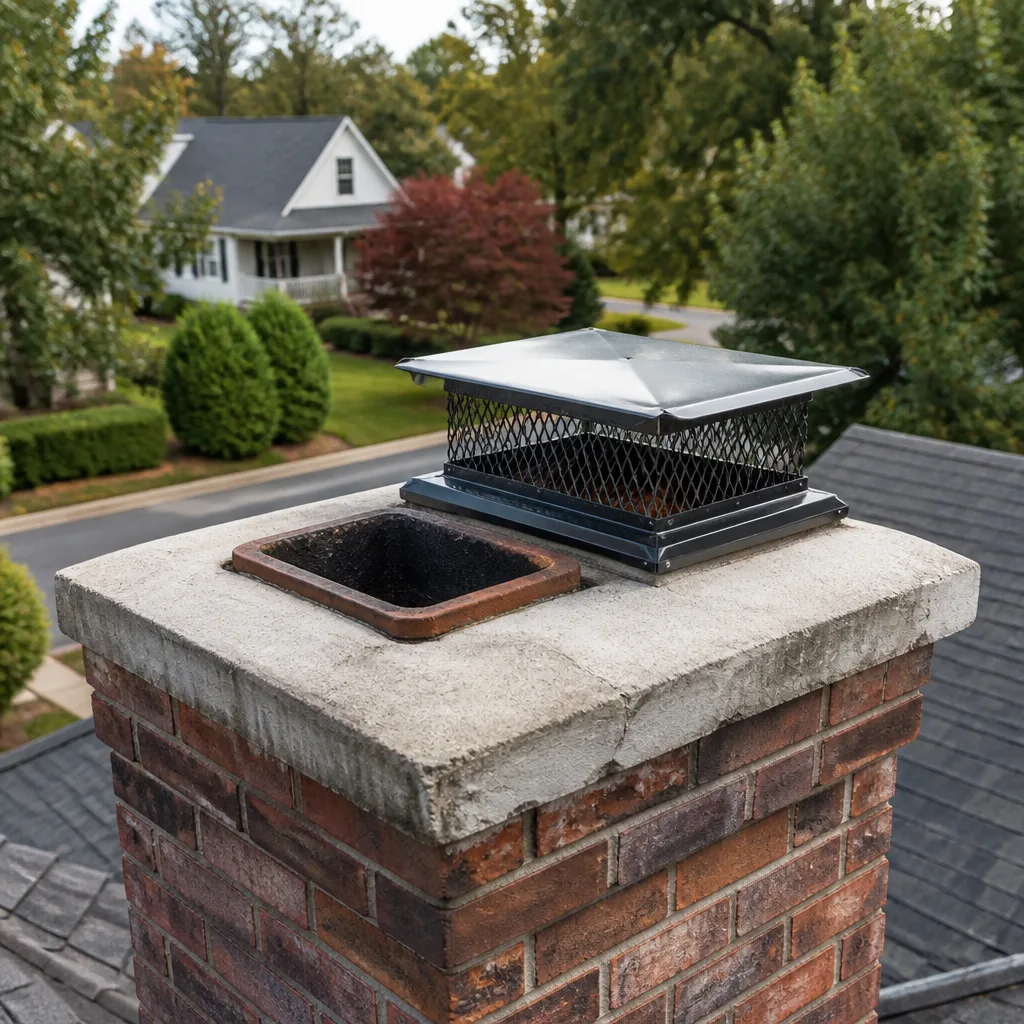
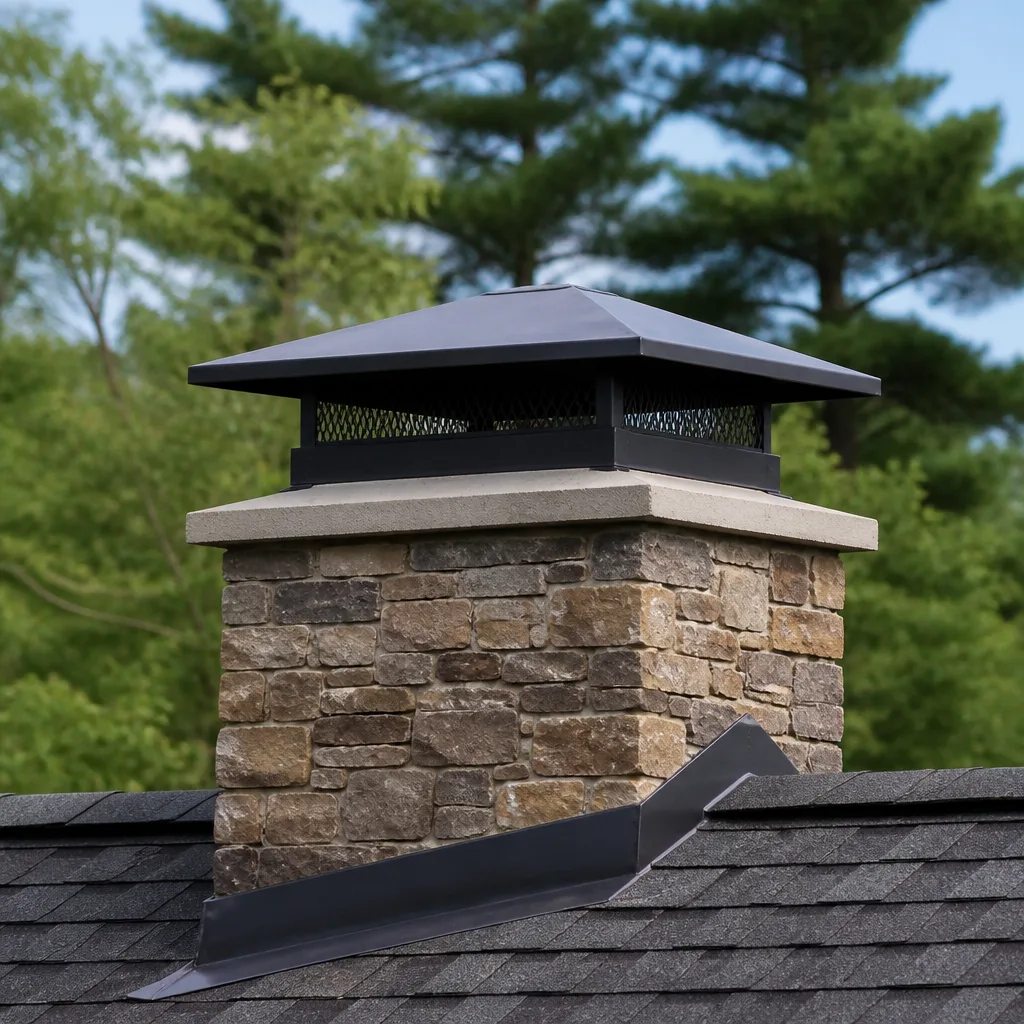
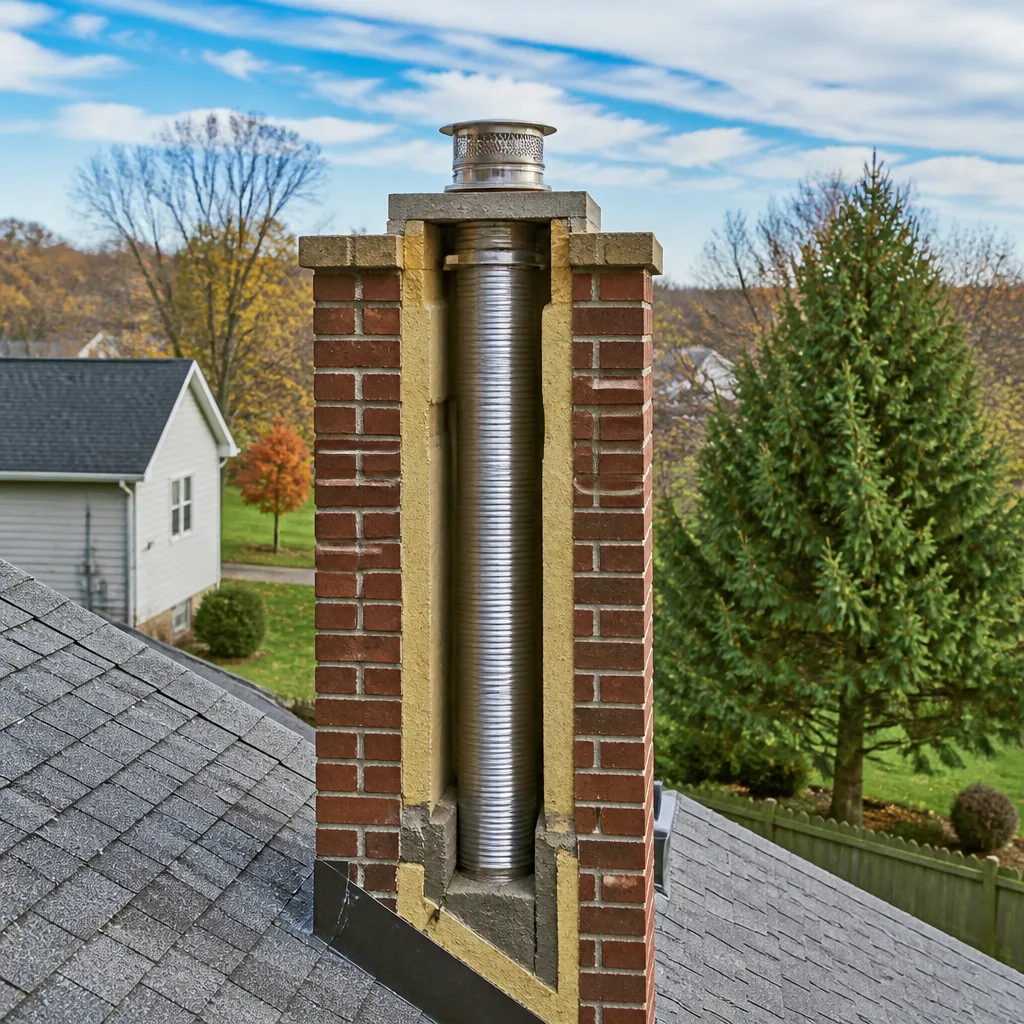
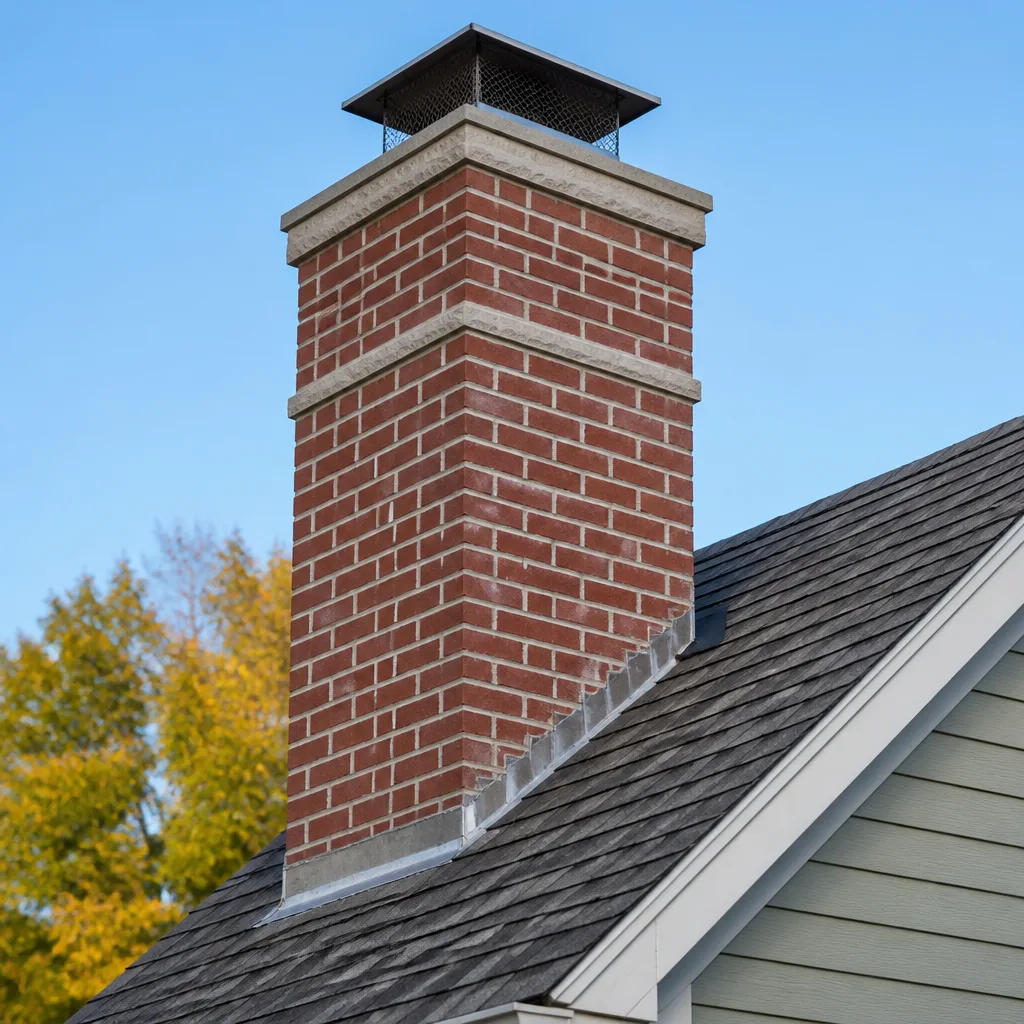
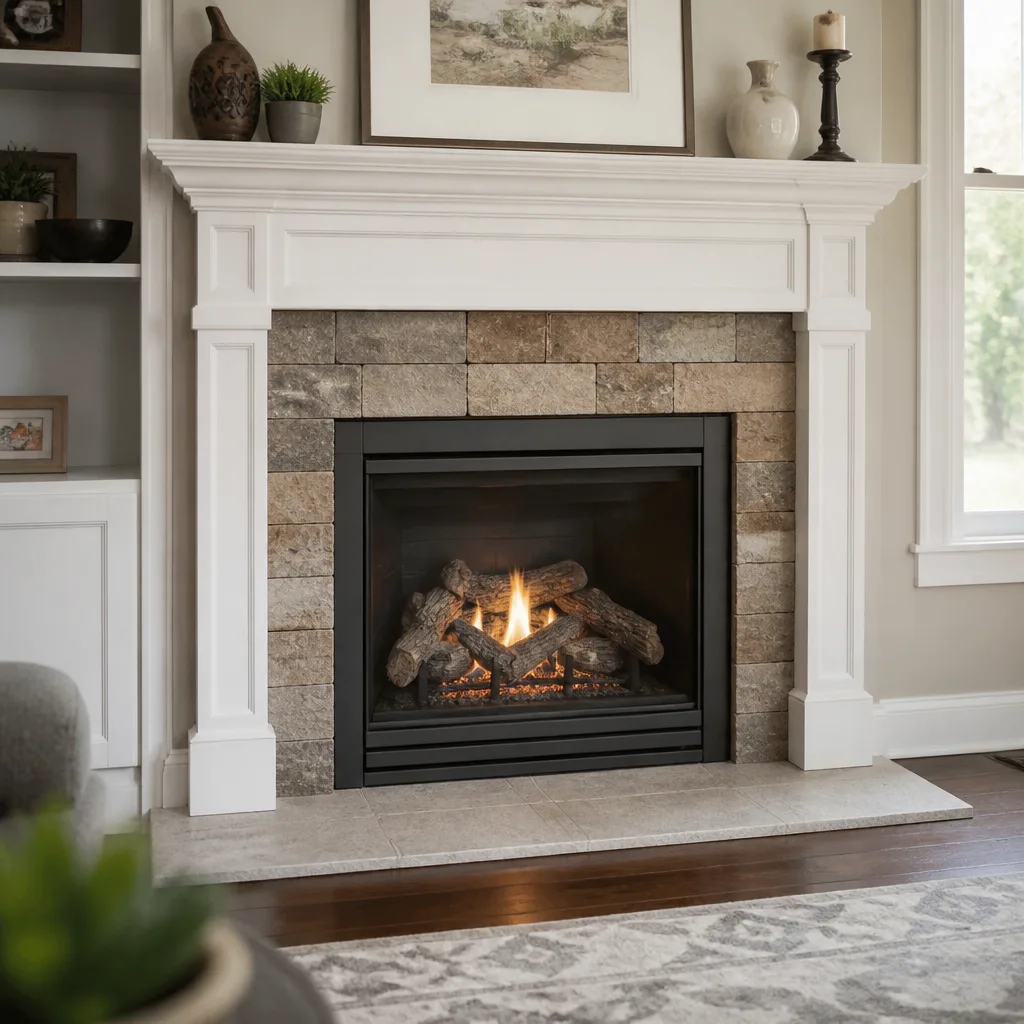
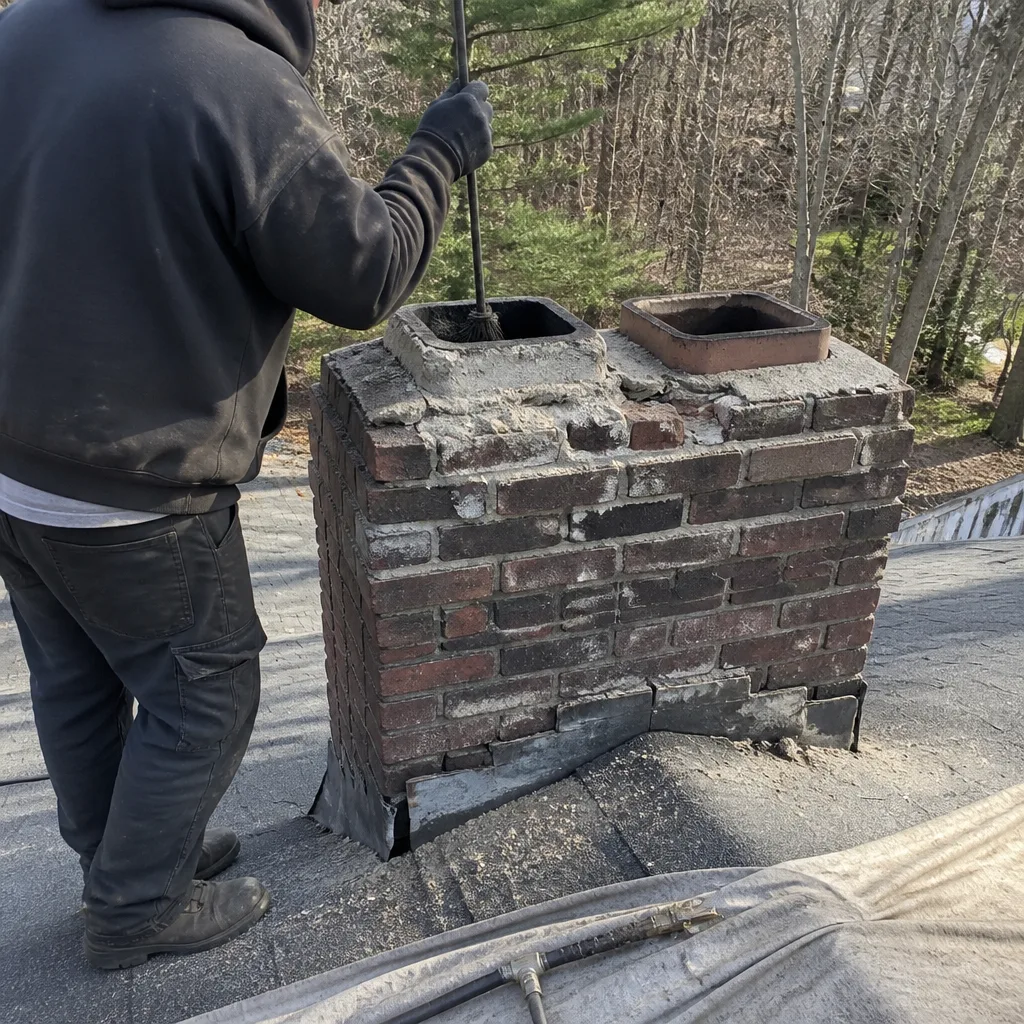 Before
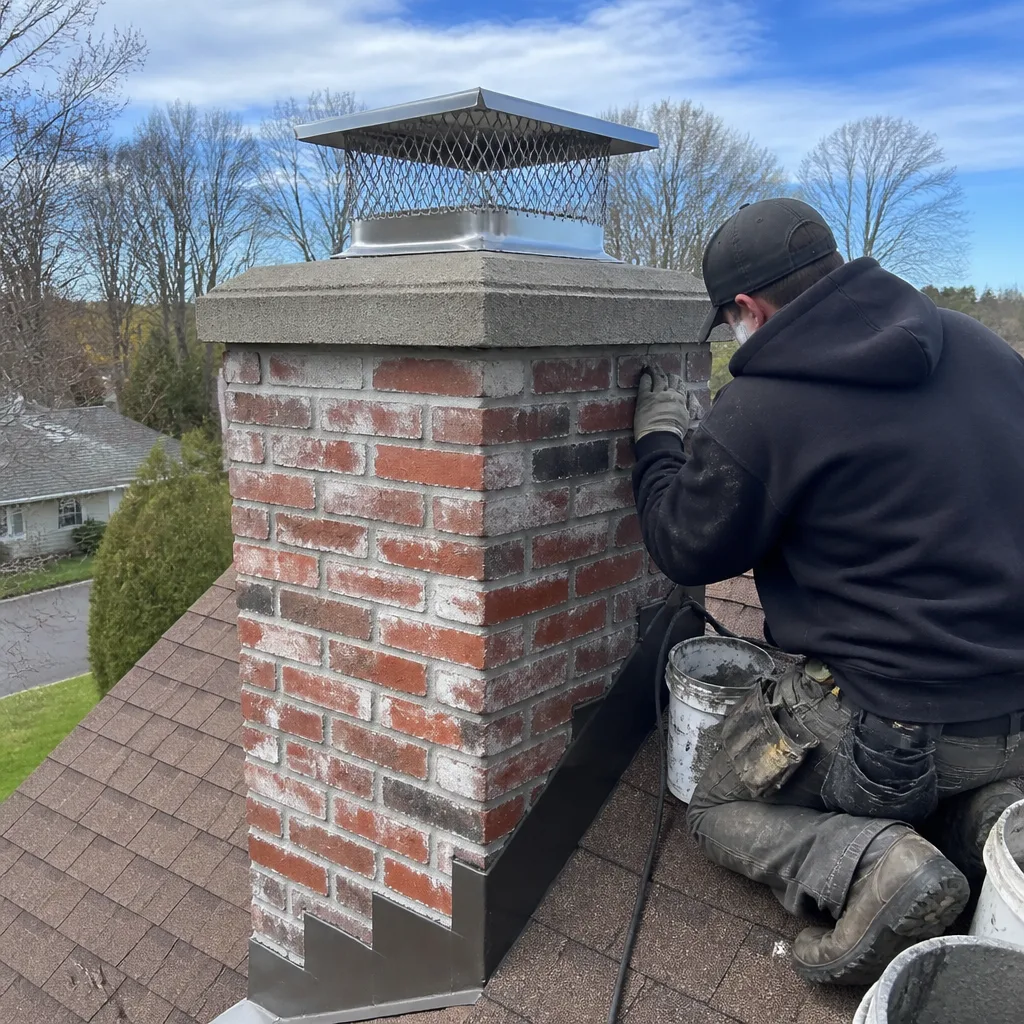 After
After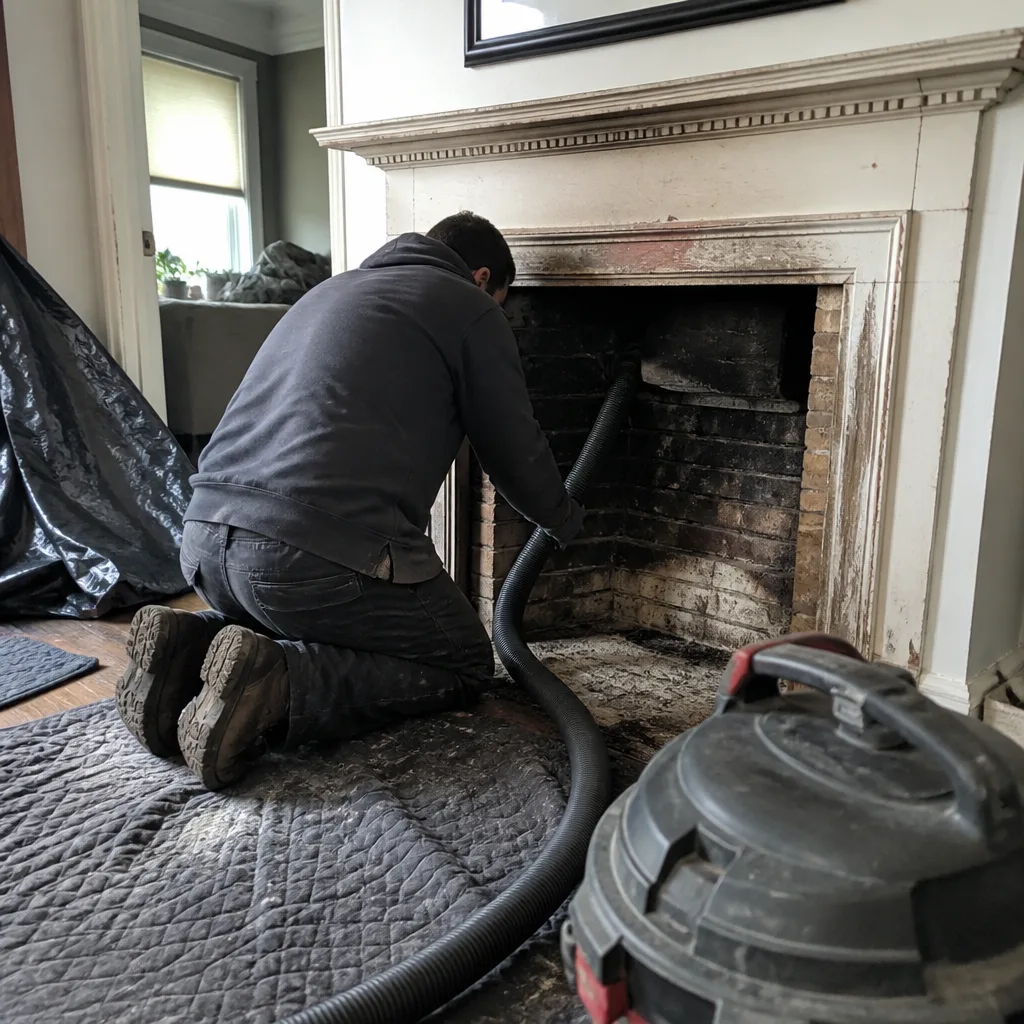 Before
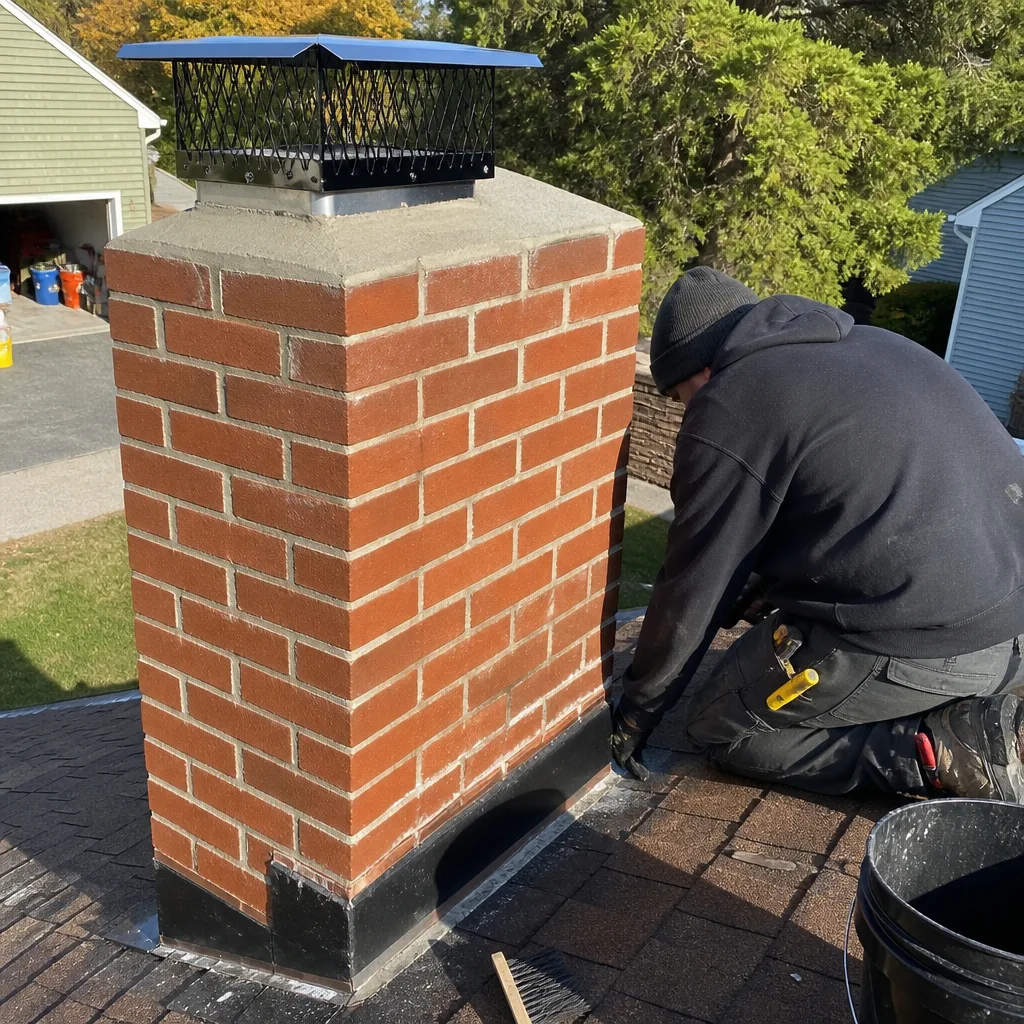 After
After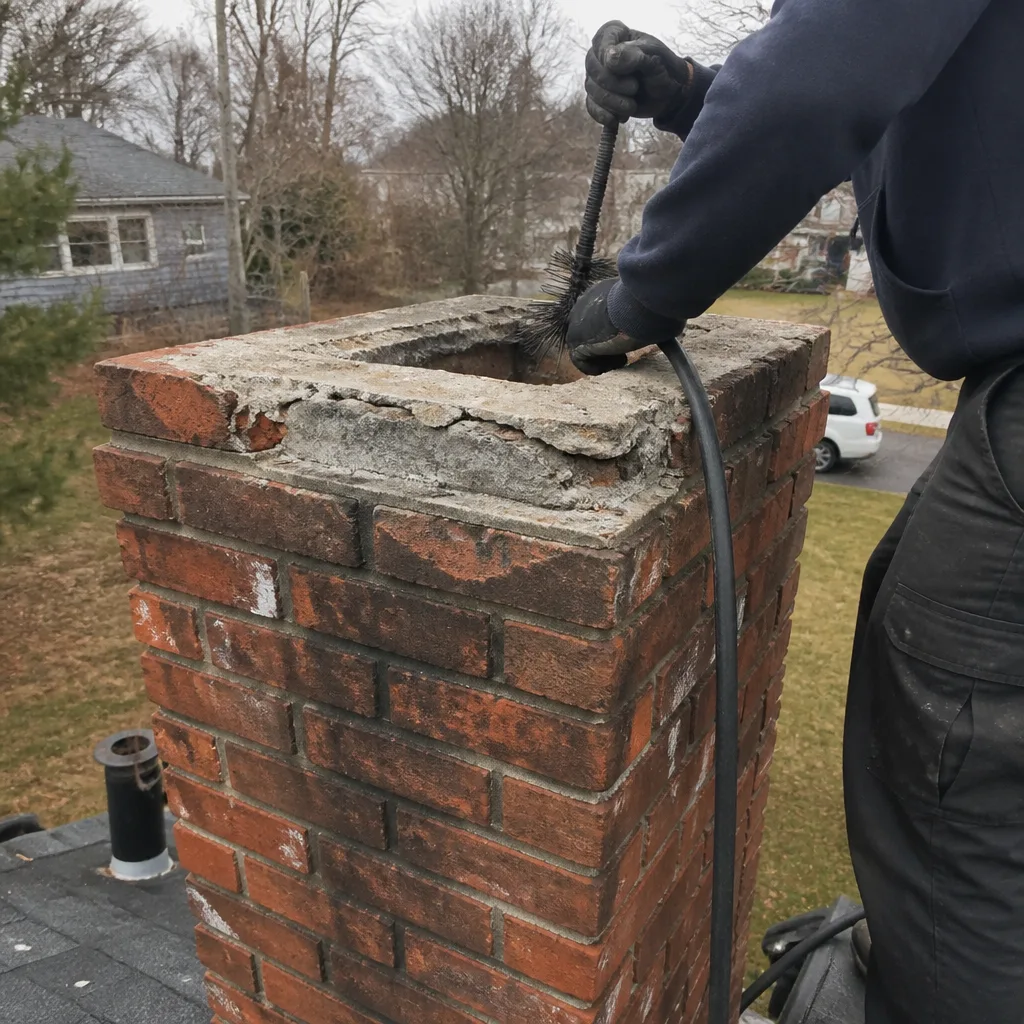 Before
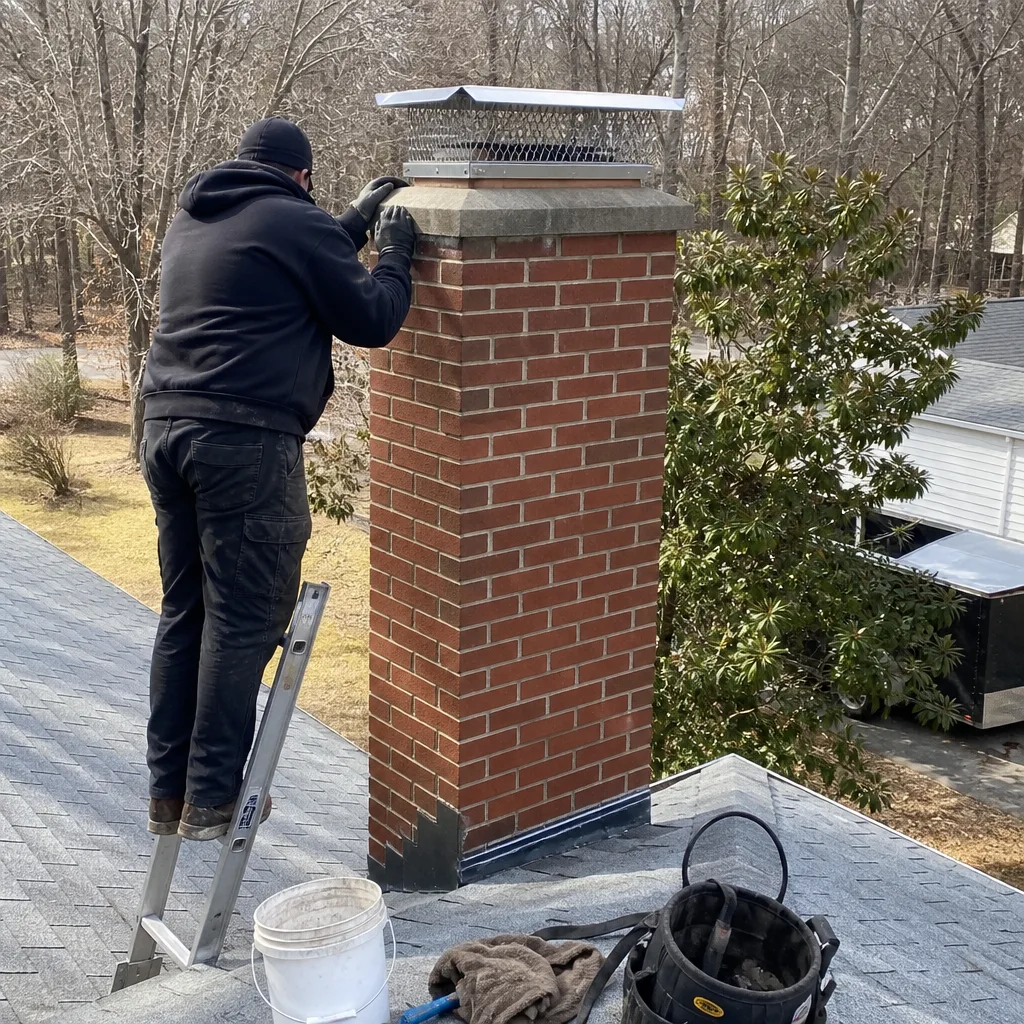 After
AfterDIY vs Professional Chimney Cleaning: The Taunton Homeowner’s Decision Guide
Every fall, hardware stores across Bristol County stock chimney brush kits right next to the leaf bags and storm windows. The packaging shows a confident homeowner in work gloves, and the price tag reads $35 to $80. What the box cannot show you is the flue tile three feet up with a hairline crack, or the glazed creosote that looks clean to the eye but will ignite at 451 degrees. We’ve been called to homes in Taunton’s Whittenton neighborhood and the historic district near Church Green where a “simple” DIY sweep ended with a chimney fire, a collapsed liner, or a $3,400 repair that a camera inspection would have caught in October. This guide draws an honest line: when DIY chimney cleaning is a reasonable maintenance step, when it is not, and how to tell the difference before you climb a ladder.
Quick Answer
DIY chimney cleaning is reasonable only for straight, masonry flues with light, first-stage creosote buildup, accessible from below via a fireplace insert, used fewer than 20 fires per season. For every other scenario in Taunton’s climate - including any flue with bends, a metal liner, heavy use, or unknown maintenance history - hiring a professional chimney cleaning contractor in Taunton for a Level-2 camera inspection is the safer and ultimately less expensive choice. A professional sweep in Taunton runs $189 to $289 and includes documented inspection; a DIY kit costs $35 to $80 but provides no visibility into the conditions that actually cause chimney fires.
Table of Contents
- When DIY Chimney Cleaning Actually Makes Sense
- What DIY Cleaning Cannot Accomplish
- The Real Equipment List and Honest Cost Comparison
- How DIY Goes Wrong: Failure Modes We’ve Seen in Taunton
- Four Questions to Decide: A Homeowner’s Framework
- What to Ask When You Call a Professional
- Common Mistakes to Avoid
- When to Call a Professional
- Frequently Asked Questions
- The Bottom Line
When DIY Chimney Cleaning Actually Makes Sense
We do not believe in scaring homeowners into services they do not need. There is a narrow set of circumstances where brushing your own chimney is a legitimate maintenance step, and pretending otherwise would mean we are selling something, not advising someone.
DIY cleaning is reasonable when all five conditions are true:
- Straight flue geometry. The flue runs vertically from the firebox to the cap with no offsets or bends. Most factory-built fireplaces and many masonry chimneys in Taunton’s pre-1950 homes have straight runs, but any deviation means a brush will not make full contact with all surfaces.
- First-stage creosote only. This is light, fluffy, black soot that brushes off easily. It forms when wood is well-seasoned and fires are hot. If you see shiny, tar-like deposits or hard, glazed crust, you are past DIY territory.
- Access from below. You can reach the entire flue by opening the damper and inserting a brush from the fireplace opening. Climbing onto a roof in Taunton’s icy Decembers is not a reasonable homeowner activity, and working from above on a steep pitch is where falls happen.
- Known, recent maintenance history. A professional has inspected this chimney within the past two years and documented clean flue tiles, sound liner, and proper clearances. You are maintaining, not discovering.
- Light use. Fewer than 20 fires per season, burning only seasoned hardwood. Heavy use or frequent softwood fires produce creosote faster than annual DIY brushing can manage.
In our experience across Taunton, this profile fits perhaps 15% of the chimneys we see. The remaining 85% have some combination of unknown history, metal liners, offset flues, or creosote progression that makes professional service the right call. The Taunton market also has a significant stock of homes built between 1880 and 1940 with unlined brick flues or early clay tile that has deteriorated over decades of freeze-thaw cycles. These chimneys often look straight but hide spalled tiles and mortar loss that no brush kit will reveal.
Even within the narrow DIY-appropriate category, we recommend a professional inspection every third year minimum. Conditions change. A flue that was sound in 2021 may have developed cracks after the hard freeze of February 2023, or after a chimney fire the homeowner did not recognize as such.
What DIY Cleaning Cannot Accomplish
The hardware store brush kit solves one problem: soot removal from accessible surfaces. It does not solve, detect, or even address the problems that lead to structure fires, carbon monoxide intrusion, or catastrophic liner failure. Here is what remains invisible to the DIY approach.
Visual inspection of liner integrity. A brush passes through a flue and emerges dirty. It does not show you the cracked tile at the second course, the corroded section of stainless liner, or the joint that has separated three feet above the smoke shelf. These defects allow heat and combustion gases to reach combustible framing. In Taunton, where many homes have balloon framing or modified post-and-beam construction, this pathway to wall cavities is particularly dangerous.
Identification of Stage 2 and 3 creosote. Stage 2 creosote is crunchy, honeycombed material that requires a rotary loop or chain whip to remove. Stage 3 is glazed, hardened tar that demands chemical treatment and mechanical removal. Both can appear to the homeowner as “some buildup” but ignite at lower temperatures and burn far more intensely than Stage 1. A brush alone will polish Stage 3 creosote without removing it, making it more dangerous, not less.
Assessment of flashing and crown condition. Water intrusion destroys chimneys from the outside in. The crown, the wash, the flashing at the roofline, and the step flashing against the masonry are all critical waterproofing elements. A DIY sweep from the fireplace opening never sees these. In Taunton’s coastal climate, with driving rains from the southeast and seasonal freeze-thaw cycles that demand year-round chimney care, crown deterioration is one of the most common expensive repairs we document.
Documentation that matters for insurance. If a chimney fire occurs, your insurer will ask for maintenance records. “I brushed it myself every fall” carries no documentary weight. A professional inspection report with dated photographs provides evidence of due diligence. We have seen claims denied in Bristol County where the homeowner’s testimony of DIY maintenance was ruled insufficient.
Measurement of critical clearances. NFPA 211 specifies minimum distances between chimney liners and combustible materials. These clearances are not visible from the firebox and cannot be assessed without camera inspection and proper lighting. A DIY sweep assumes the original construction was correct and has not been compromised by renovation, settling, or previous homeowner modifications.
Detection of blockages and animal intrusion. Squirrels, raccoons, and starlings are active in Taunton’s mature neighborhoods, particularly near Massasoit State Park and the wooded areas around Lake Sabbatia. A brush will push past a partial nest or compacted debris without revealing it. A camera shows the obstruction clearly, and a professional sweep includes removal and proper capping to prevent recurrence.
The Real Equipment List and Honest Cost Comparison
The $35 brush kit at the hardware store is not the full cost of DIY chimney maintenance in Taunton. Here is what a thorough homeowner approach actually requires, with real numbers from the Taunton market.
DIY Equipment for Straight, First-Stage Creosote Only
| Item | Cost (Taunton area) | Purpose |
|---|---|---|
| Chimney brush (proper diameter for your flue) | $25 - $45 | Mechanical soot removal |
| Fiberglass extension rods, 6-foot minimum | $30 - $55 | Reach full flue length |
| Drop cloths and plastic sheeting | $15 - $25 | Protect living space |
| HEPA-rated shop vacuum | $80 - $150 | Safe ash and soot containment |
| Safety glasses, respirator (N95 minimum) | $20 - $40 | Personal protection |
| Inspection mirror and high-output flashlight | $25 - $45 | Limited visual check from below |
| Total initial investment | $195 - $400 |
This assumes you already own a sturdy ladder rated for your roof pitch, and that you will not need to work from above. Add $200 to $400 for a ladder appropriate for two-story work if your flue requires top-down brushing.
What Professional Service Includes
- Level-2 inspection with camera documentation (photos you receive)
- Mechanical sweeping with brushes sized to your specific flue
- Rotary or chain-loop treatment for Stage 2-3 creosote as needed
- Assessment of crown, cap, flashing, and exterior masonry
- Written report with findings, recommendations, and priority ranking
- Cleanup and containment of all debris
- 90-day guarantee on workmanship
In Taunton, professional chimney cleaning and inspection from Hearthstone Chimney Co. ranges from $189 for a straightforward sweep to $289 where rotary creosote removal or additional access is required. The Hearthstone Chimney Co. home page outlines our full service structure.
The honest math: if you fit the narrow DIY profile and already own the equipment, your marginal cost per year is $0 to $35 (brush replacement). If you are buying equipment for a single chimney, the break-even against professional service is 5 to 10 years, assuming nothing goes wrong and you never need the inspection documentation. Most Taunton homeowners who call us after attempting DIY have spent the equipment money plus the professional fee to fix what they could not see.
How DIY Goes Wrong: Failure Modes We’ve Seen in Taunton
After 42 years in this trade, we have seen the same failure patterns repeat. They are not theoretical. They are the reason we get emergency calls in January from homeowners who swept their own chimneys in October.
Displaced liner sections from improper brush technique. A brush that is too large for the flue, or rods pushed with excessive force, can dislodge stainless steel liner sections at their joints. The homeowner finishes the job feeling satisfied. The separated liner leaks combustion gases into the wall cavity until a CO detector sounds, or until a chimney fire breaches the gap. We replaced a displaced liner in a Colonial on Highland Street last winter where the homeowner’s $45 brush kit led to a $2,800 repair.
Incomplete creosote removal that accelerates to glazing. A brush that does not make full contact with all flue surfaces leaves a thin, even layer of creosote. Over subsequent fires, this layer bakes into Stage 3 glaze, which is harder to remove and far more flammable than the original buildup. The homeowner believes the chimney is clean because they performed the maintenance. The reality is worse than if they had done nothing.
Undetected blockages from partial debris removal. A brush pushes a bird nest or squirrel cache downward but does not fully extract it. The material lodges at the smoke shelf or damper, restricting draft and causing smoke backup into the living space. In one Taunton call on Winthrop Street, the homeowner had “cleaned” the chimney twice before calling us; our camera found a compacted nest at the base of the flue that their brush had simply compressed.
Roof damage and personal injury. Taunton’s coastal snow loads and freeze-thaw cycles make roof work hazardous from November through March. We have seen homeowners damage shingles, bend gutters, and in one case suffer a compression fracture from a fall on an icy ridge. The brush kit does not include a harness, roof anchors, or fall protection. Professional sweeps carry this equipment and the insurance to use it.
False confidence in “clean” chimneys with hidden defects. The most dangerous outcome is not a dramatic failure. It is the homeowner who sweeps annually, never has a fire, and sells the house with an undocumented, uninspected flue that the next owner assumes is sound. We find these chimneys during pre-purchase inspections in Taunton’s East Taunton and Weir Village areas, with deterioration that began a decade earlier and progressed because no camera ever looked.
Four Questions to Decide: A Homeowner’s Framework
Answer these four questions honestly. If any answer points toward professional service, that is your answer.
Question 1: Do I know the complete maintenance history of this chimney?
“The previous owners said they had it cleaned” does not count. You need dated inspection reports with photographs. If you do not have them, you are not maintaining. You are discovering. Discovery requires professional inspection.
Question 2: Can I see every surface of the flue from top to bottom?
If your flue has offsets, if you cannot access the roof safely, or if you do not own a camera system with adequate lighting, you cannot verify what the brush touched and what it missed. In Taunton’s older housing stock, many chimneys were modified during the oil-to-gas conversions of the 1970s, with offsets and liner configurations that the original construction did not include.
Question 3: What stage of creosote am I actually dealing with?
First-stage creosote brushes off with moderate effort and leaves the metal rod clean. If you are scraping, if the material is shiny or hardened, or if the rod comes up with tarry residue, you are past DIY. Continuing will polish the surface without removing the hazard.
Question 4: What happens if I am wrong?
A chimney fire in a balloon-framed house can reach the attic in minutes. Carbon monoxide intrusion from a cracked flue can occur without warning signs. If your DIY assessment is incorrect, the consequences are not a failed project. They are structural fire, poisoning, or death. Professional service includes documentation, insurance backing, and the trained eye that reduces this risk to the minimum.
If all four answers point to DIY, proceed with proper equipment and plan for professional inspection on the third year; otherwise, see our more guides & resources for chimney maintenance. If any answer points to professional service, the next section tells you exactly what to request.
What to Ask When You Call a Professional
Not every company that advertises chimney cleaning provides the same service. The questions you ask before booking determine whether you receive a thorough inspection or a quick brush-and-go that leaves hidden problems in place.
Ask for a Level-2 inspection, not just a sweep. NFPA 211 defines three inspection levels. Level 1 is visual, from accessible areas, without tools. Level 2 includes camera inspection of the flue interior, accessible portions of the attic and basement for clearance verification, and written documentation. Level 3 involves demolition of building materials and is only triggered by suspected hazards. Any company that quotes a “cleaning” without specifying Level 2 is selling you Level 1 and calling it done.
Ask what the report includes. You should receive dated photographs of the flue interior, crown condition, and any defects found, plus a written verdict in plain English, not technical jargon. At Hearthstone Chimney Co., we document every inspection like an engineer and explain it like a craftsman. Photos you can see, a plain-English verdict.
Ask about creosote removal methods. Stage 2 and 3 creosote require rotary mechanical treatment or chemical application followed by mechanical removal. A company that shows up with only a standard brush cannot address advanced buildup. Ask specifically: “Do you carry rotary cleaning equipment, and is there an additional charge for glazed creosote?”
Ask about their guarantee. A written guarantee with clear terms, not a verbal assurance. Our 90-Day Done Right Promise means if it is not right, we make it right, in writing, no arguing. Any company unwilling to put their guarantee in writing is telling you something about their confidence.
Ask who answers the phone. A live person, 24 hours a day, 7 days a week, indicates a company with infrastructure and accountability. Voicemail-only operations, app-based scheduling with no local office, and callback queues are warning signs of the one-truck operator who may not be in business when you need warranty service.
Ask about materials and brands. Professional-grade liners, caps, and repair materials from recognized manufacturers carry warranties and performance specifications. We work with DuraFlex, HeatShield, Gelco, Olympia Chimney, Famco, and Copperfield because these brands back their products with engineering data and stand behind failures. A company using unbranded or builder-grade substitutes is cutting costs where you cannot afford it.
Common Mistakes to Avoid
- Buying the wrong brush diameter. A brush must match the flue exactly. Too small, and it misses the walls. Too large, and it lodges or damages liner joints. Measure the flue opening precisely, or have a professional measure it during inspection.
- Working from an unstable ladder in winter conditions. Taunton’s freeze-thaw cycles create ice patches that are invisible from below. We have treated homeowners who fell from second-story ladders in December. If you cannot work from the fireplace opening, do not work at all.
- Using a household vacuum for soot cleanup. Standard vacuums blow fine particulate through the exhaust and into your living space. Ash particles are abrasive and toxic. Only a HEPA-rated vacuum with proper filtration should handle chimney debris.
- Assuming “no smoke problems” means “no problems.” A chimney can have severe liner damage, partial blockage, or advanced creosote buildup and still draft adequately under certain conditions. The absence of smoke in the room is not evidence of safety.
- Skipping the exterior inspection. In Taunton’s neighborhoods with mature oak and maple canopies, crown deterioration from leaf accumulation and moisture retention is common. A DIY sweep that never looks at the crown misses the problem that will destroy the chimney structurally.
- Trusting online tutorials from dissimilar climates. Chimney advice from Arizona or Texas does not account for the thermal cycling, moisture loads, and freeze-thaw damage that New England chimneys endure. Local experience matters.
- Delaying professional inspection to “save money.” The $189 to $289 cost of professional service is trivial against the $3,000 to $8,000 cost of liner replacement, or the deductible and rate increase from a chimney fire claim. We have never met a homeowner who saved money by deferring inspection.
When to Call a Professional
Call a professional if your chimney has any of these characteristics: unknown maintenance history, metal or clay tile liner of any age, offset or non-straight flue geometry, use exceeding 20 fires per season, any burning of softwood or unseasoned wood, visible creosote that is shiny, tarry, or hardened, smoke backup or draft problems of any kind, or if you cannot safely access the roof for top-down inspection.
Call immediately if you have experienced a chimney fire, even a minor one indicated by a loud roaring sound, dense smoke, or a discolored chimney exterior. The damage from a single chimney fire can render a liner unsafe for continued use, and only camera inspection can assess it.
In Taunton, Hearthstone Chimney Co. offers free estimates with no obligation. We answer the phone with a live person 24 hours a day, 7 days a week. Call (774) 310-4281 to schedule. Our technicians are background-checked, uniformed, and complete most jobs in a single visit with no-hassle upfront pricing. The number on the estimate is the number on the invoice.
Frequently Asked Questions
A professional chimney cleaning and Level-2 inspection in Taunton typically costs $189 to $289, depending on flue accessibility and creosote stage. Rotary removal of glazed creosote may add $75 to $150. Hearthstone Chimney Co. provides upfront pricing before any work begins, and our $89 Seasonal Tune-Up offers a limited-time entry point for straightforward maintenance. Call (774) 310-4281 for an exact quote - estimates are free.
No. Heavy use produces creosote faster than annual DIY brushing can manage, and the cumulative buildup will reach Stage 2 or 3 within a single season. Daily wood burning in Taunton’s cold months requires professional inspection and cleaning annually at minimum, with mid-season checks for heavy users.
NFPA 211 recommends annual inspection for all chimneys, with cleaning frequency determined by use and fuel type. In Taunton’s climate, where heating season runs October through April, most wood-burning chimneys need annual sweeping. Gas and oil flues should be inspected annually and cleaned as indicated by inspection findings. The specific schedule depends on your appliance, fuel, and use pattern - call (774) 310-4281 to discuss your situation.
Skipped maintenance allows creosote to accumulate and harden, progressively restricting draft and increasing fire risk. A chimney fire can reach 2,000 degrees, cracking liners, damaging masonry, and igniting adjacent framing. Carbon monoxide can leak through cracked liners or blocked flues, causing illness or death without warning odor. In Taunton’s older housing stock with balloon framing, fire spread is particularly rapid. The cost of deferred maintenance is always higher than the cost of prevention.
A reputable company shows you camera photographs of the defect and explains the specific failure mode. At Hearthstone Chimney Co., nothing is recommended without photo evidence you can see yourself, and we plainly tell you when work can safely wait. Our Free Second Opinion on any written estimate gives you that verification without cost. If a company cannot or will not show you the problem, get a second opinion.
There is no municipal prohibition against homeowners maintaining their own chimneys in Taunton. However, Massachusetts building codes and NFPA 211 standards apply to all chimney work, and insurance policies may require professional inspection documentation for coverage. If a fire occurs in a DIY-maintained chimney, your insurer may investigate whether maintenance met professional standards. Documented professional service protects you legally and financially.
The Bottom Line
DIY chimney cleaning is not a fraud or a fantasy. It is a narrow, specific maintenance activity appropriate for straight flues with light, first-stage creosote, known history, and below-accessible geometry. For the vast majority of Taunton homeowners, especially those in older homes with unknown maintenance histories, professional service with camera inspection is the safer, more economical, and more defensible choice. The brush kit at the hardware store removes soot you can see. It does not reveal the cracks, separations, and blockages that start fires and poison air. A craftsman who has nothing to hide can tell you exactly where that line falls. We have drawn it here. If your chimney falls on the professional side, we are here to inspect, document, and stand behind the work. Done right - and we stand behind it.
Written by Russell Haines, Owner at Hearthstone Chimney Co., serving Taunton since 2014.