
Last updated September 10, 2026
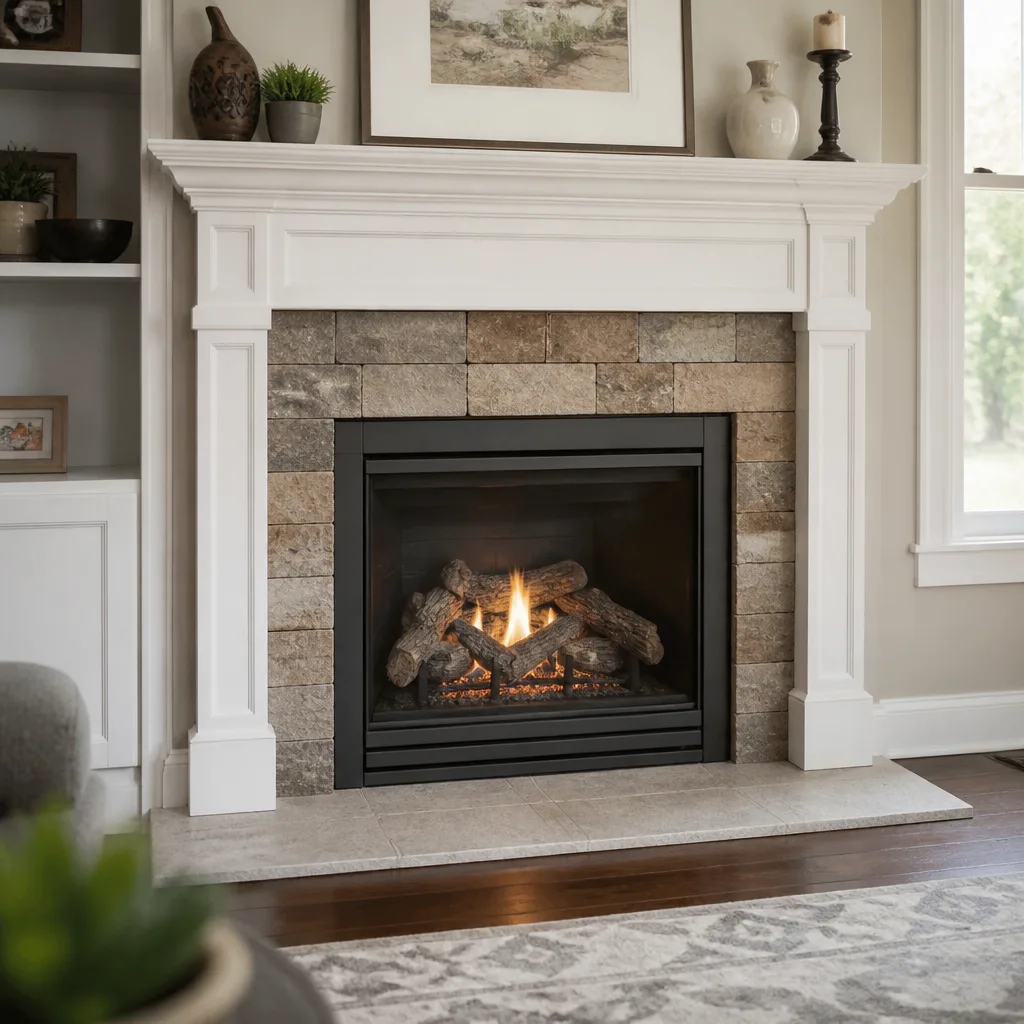
Level 1 sweep and inspection to the NFPA 211 annual standard - flue, crown, cap, and flashing checked and photographed
Chimney sweep logs do not sweep chimneys. They loosen some creosote - which then falls where a brush and vacuum still have to collect it.
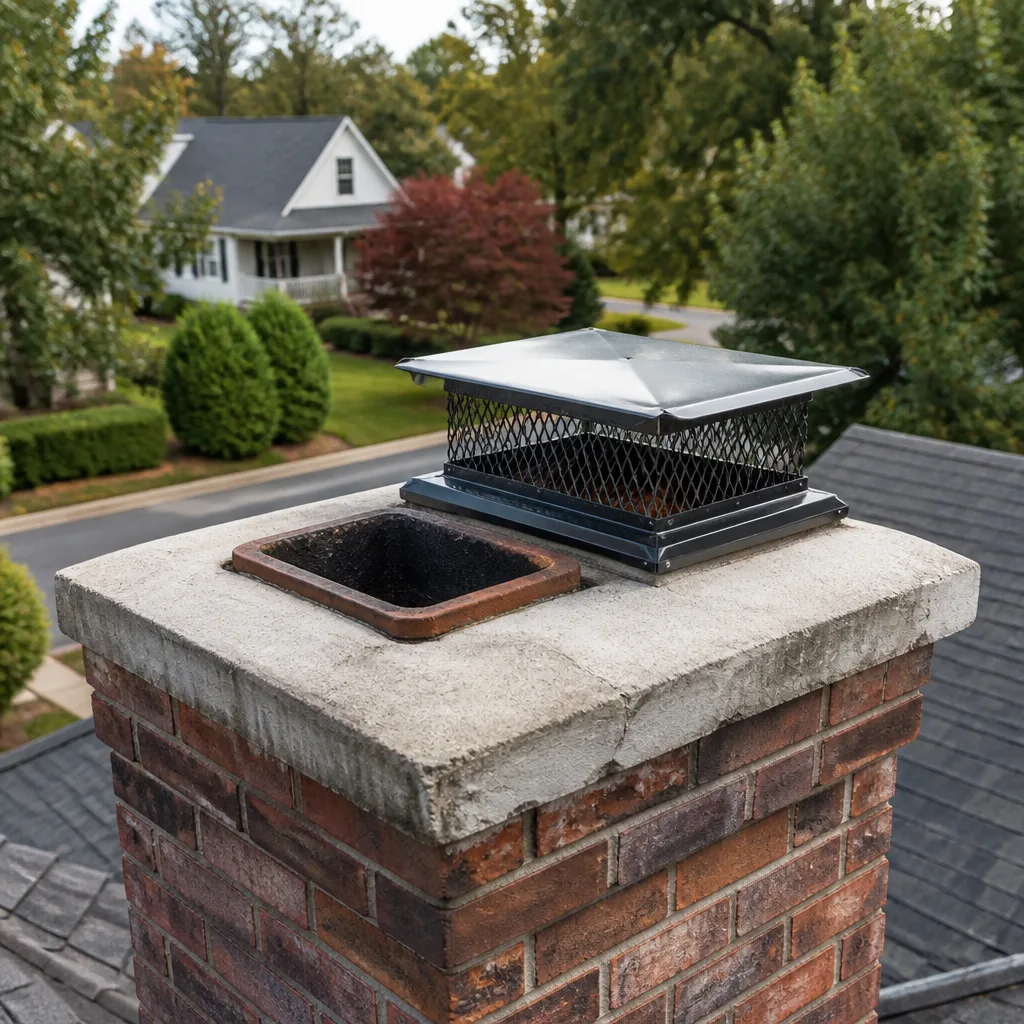
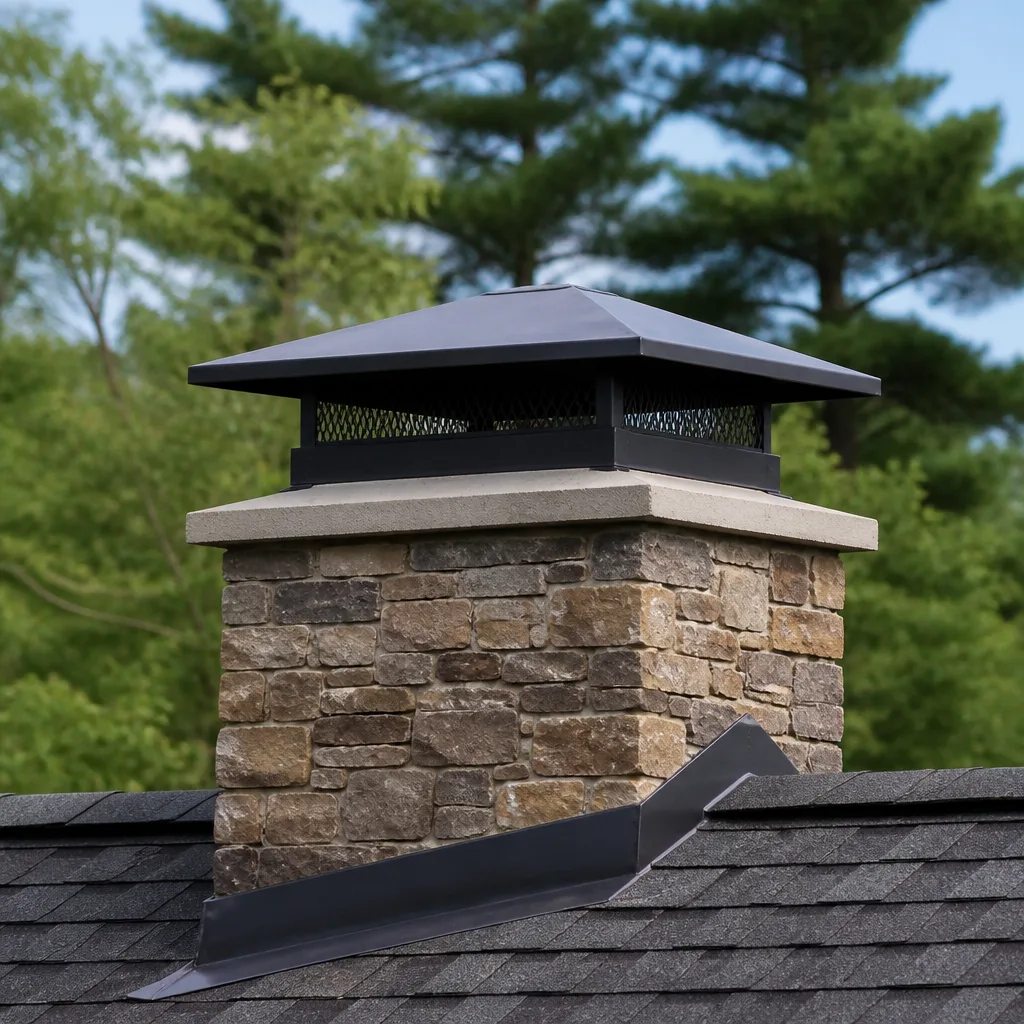
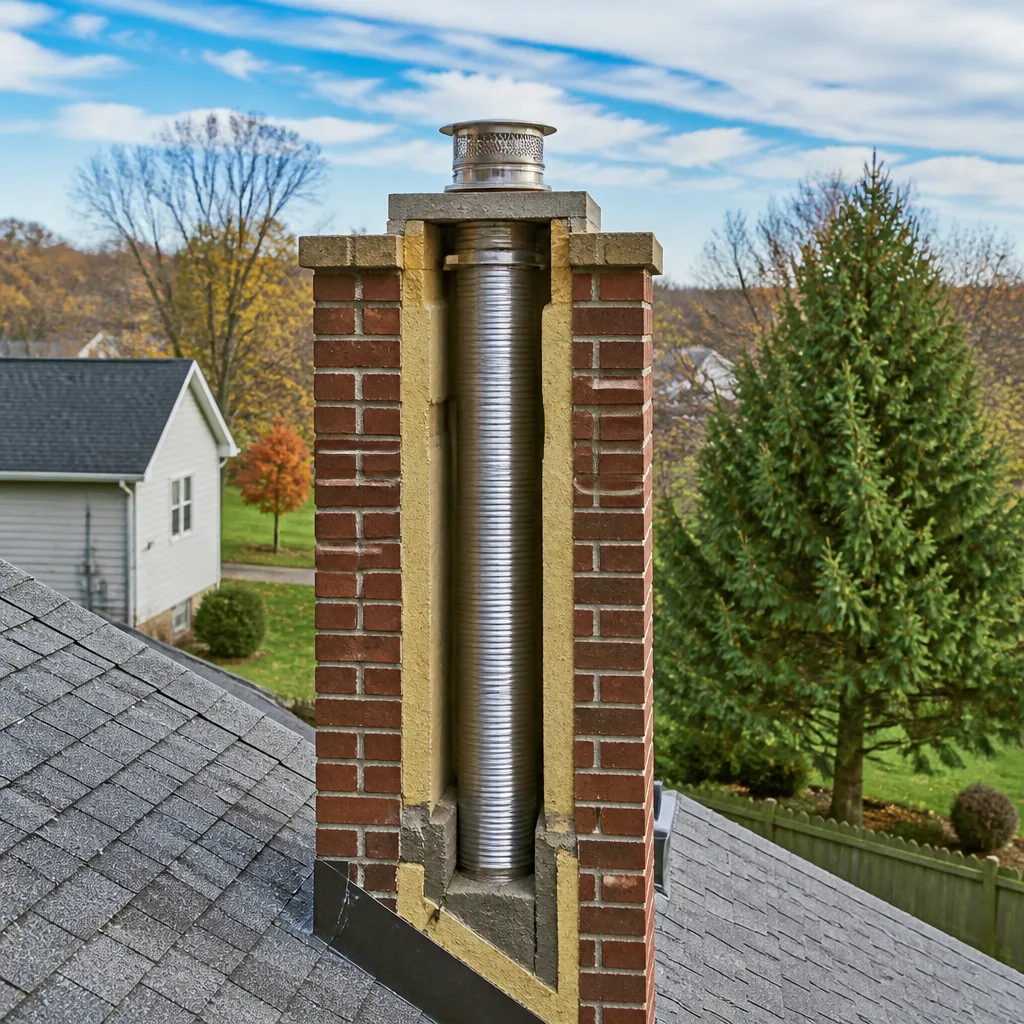
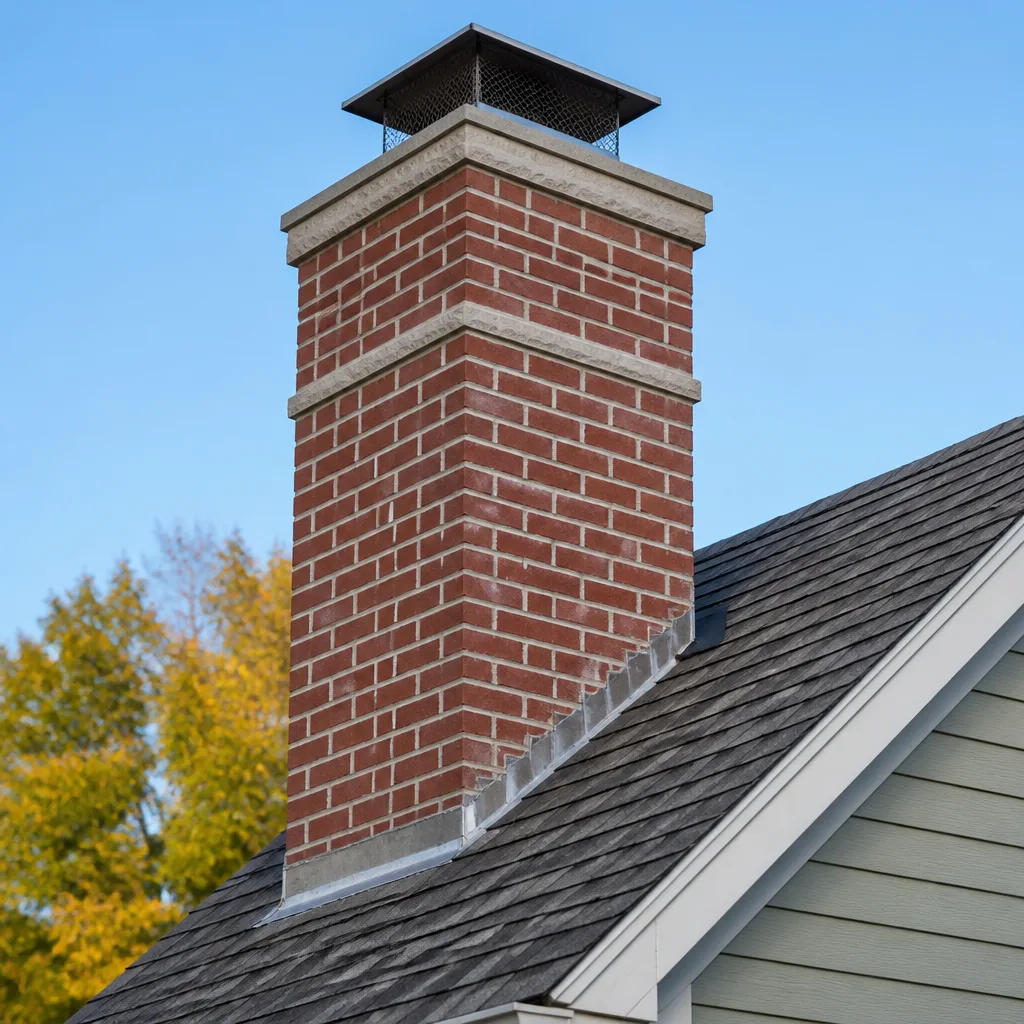
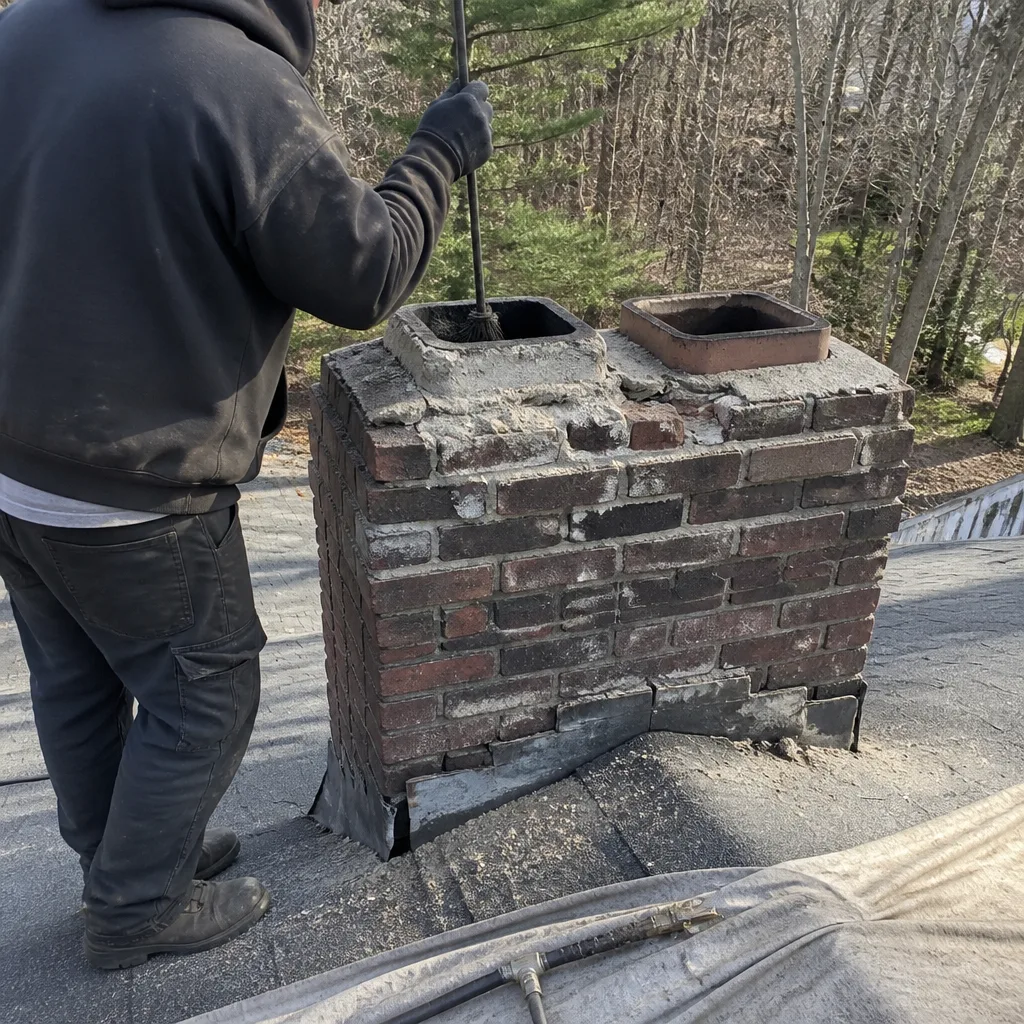 Before
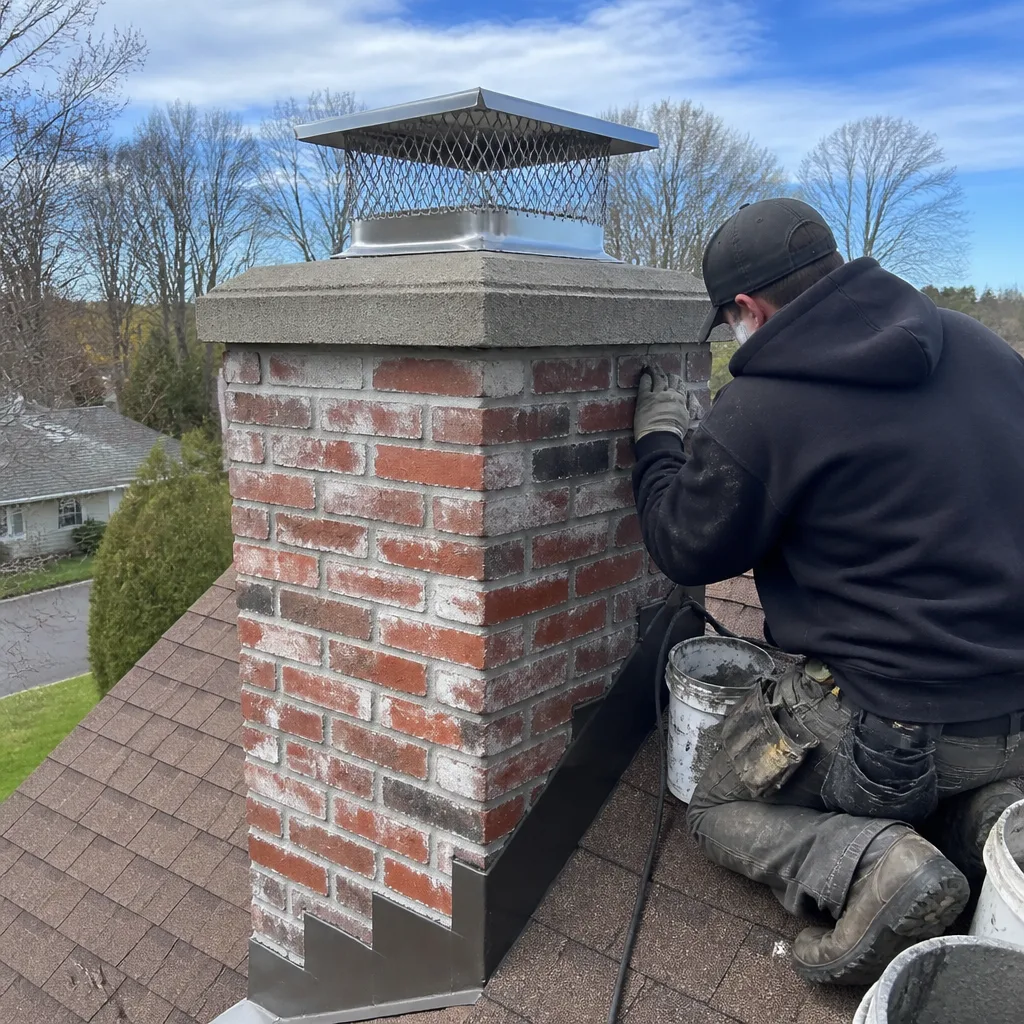 After
After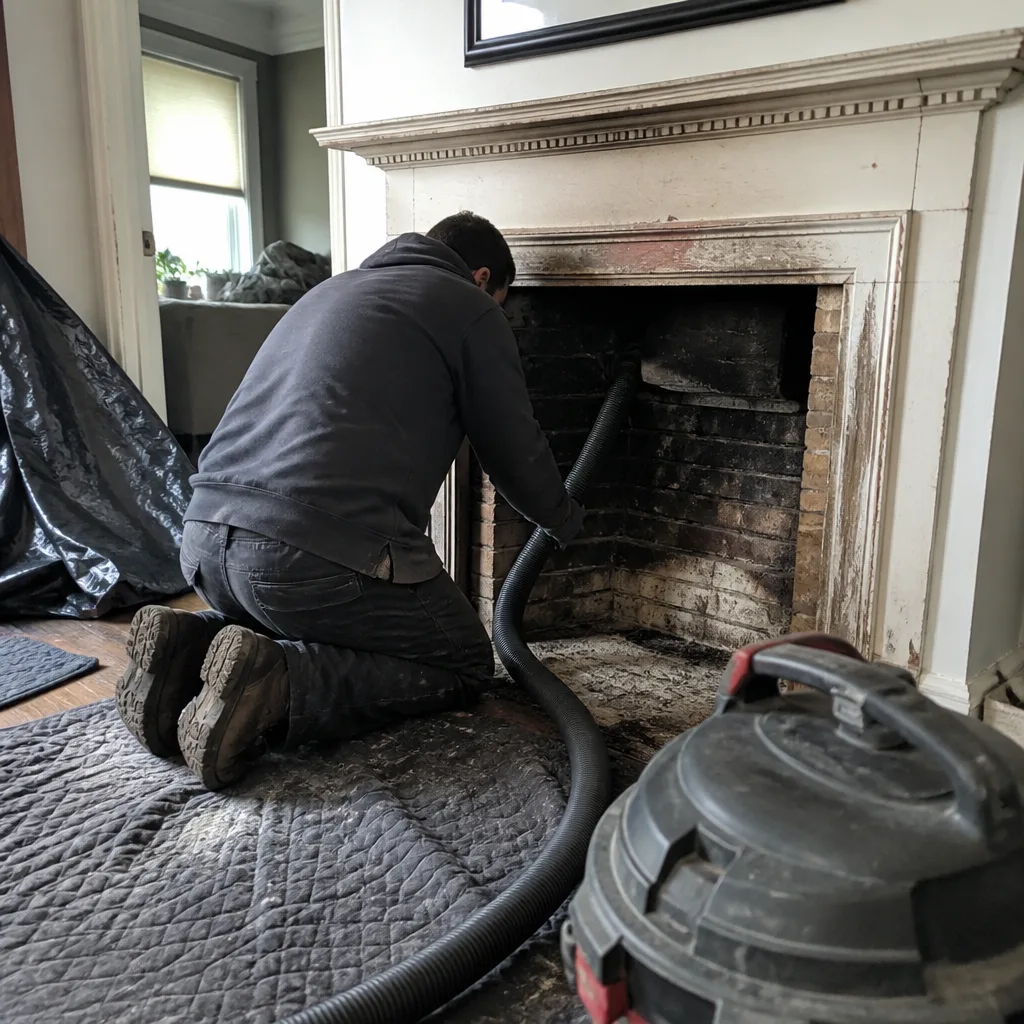 Before
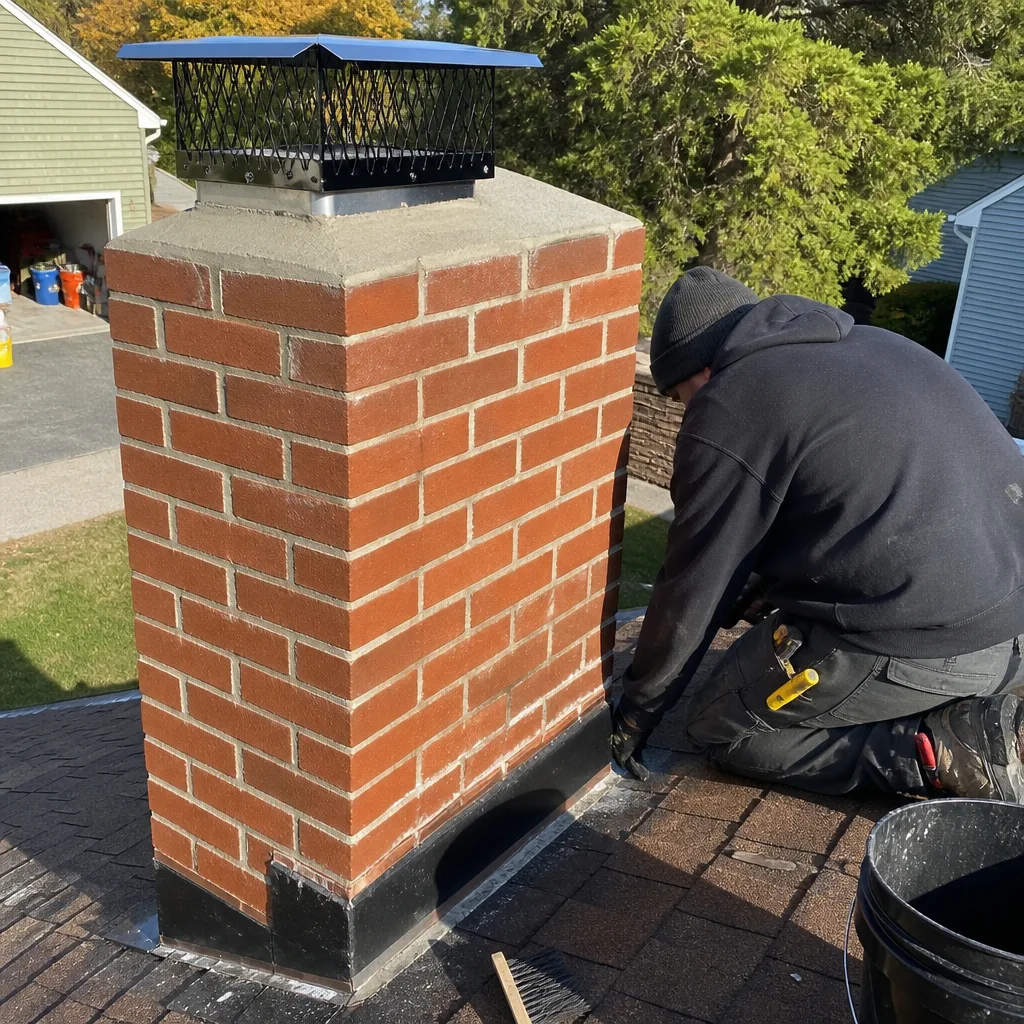 After
After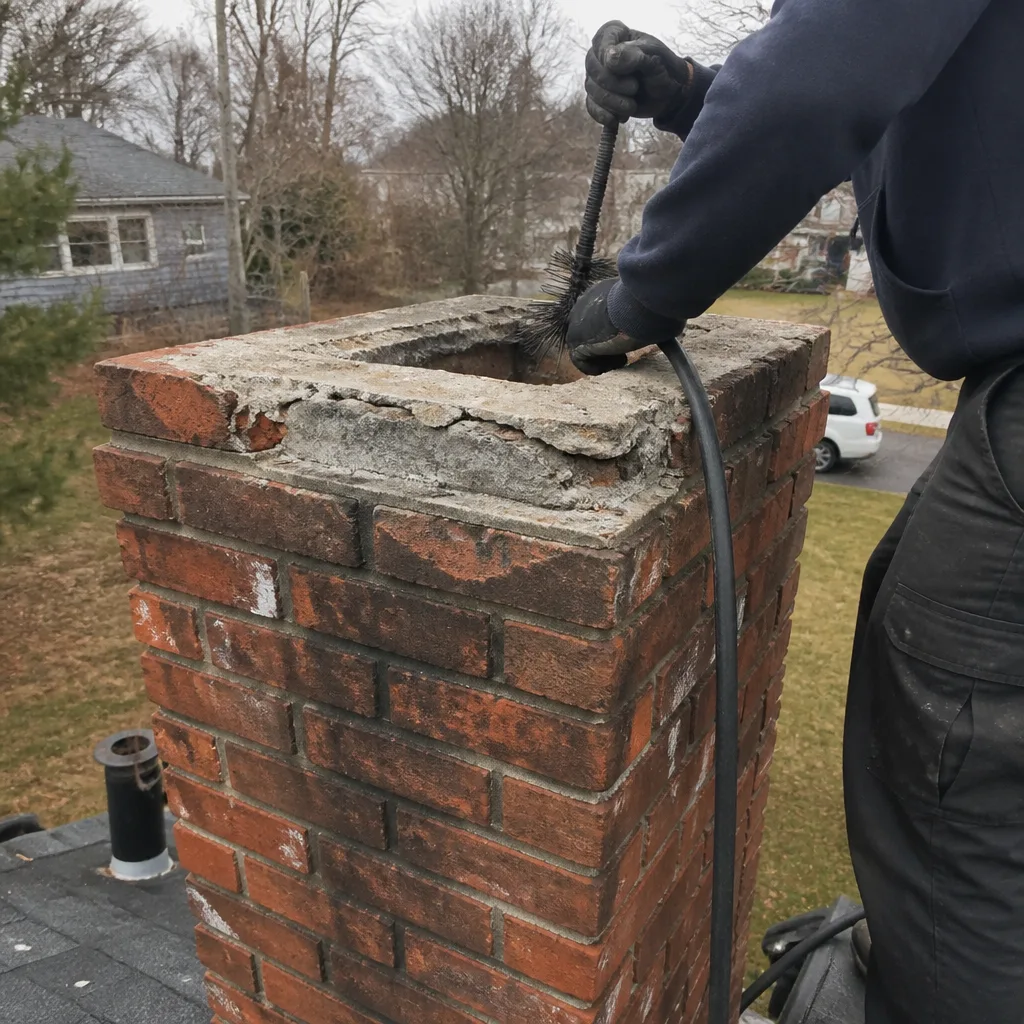 Before
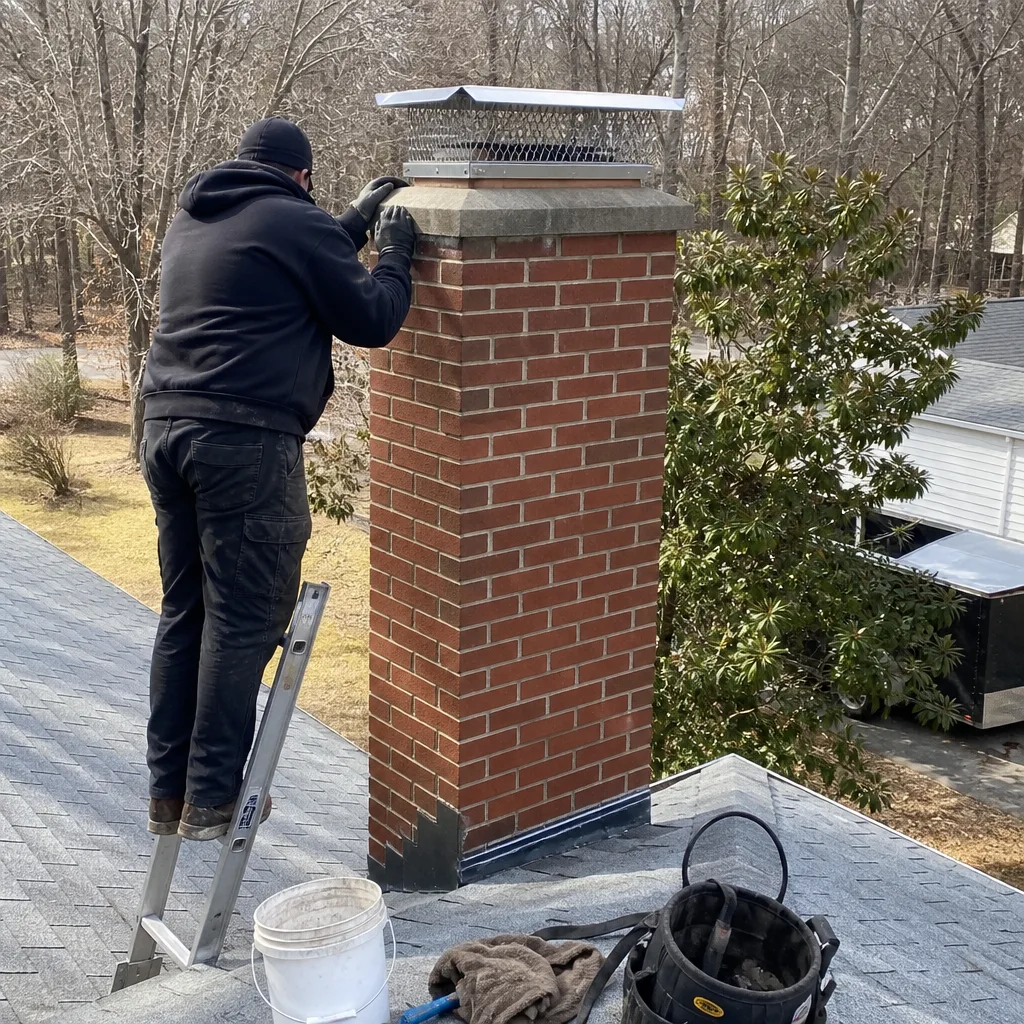 After
AfterChimney Cleaning Permits, Codes & Inspections in MA: What You Need to Know
A Taunton homeowner had a chimney relining done without a permit, then filed a water-damage claim two years later. The insurance company denied it, citing the unpermitted alteration. The liner cost $3,200. The claim was $18,000. Most chimney sweeping in Massachusetts needs no permit at all, but the repairs that surface during routine cleaning often do, and the line between maintenance and alteration is sharper than most contractors admit. In this guide, we’ll draw that line clearly for Taunton homeowners, using the actual Massachusetts State Building Code, real Bristol County permit practice, and what we’ve learned from over four decades of documented inspections.
Quick Answer
Routine chimney cleaning and sweeping in Massachusetts generally require no building permit under 780 CMR. However, chimney repairs involving structural modification, relining, or appliance connection changes typically do require permits through your local building department. In Taunton, the Building Division at City Hall processes these applications, and unpermitted work can void homeowner’s insurance coverage and complicate real estate transactions.
Table of Contents
- Maintenance vs. Alteration: Where the Permit Line Falls
- The Massachusetts State Building Code (780 CMR) Explained
- How Taunton’s Building Department Actually Works
- NFPA 211: The Standard Inspectors Use
- Level 2 Inspections in Real Estate Transactions
- How to Ask a Contractor About Permits
- Insurance, Liability, and Unpermitted Work
- Common Mistakes to Avoid
- When to Call a Professional
- Frequently Asked Questions
Maintenance vs. Alteration: Where the Permit Line Falls
The Massachusetts State Building Code draws a distinction that matters more than most homeowners realize. Maintenance preserves what exists. Alteration changes what exists. The permit requirement hinges on which side your project falls.
Maintenance work, no permit required:
- Routine chimney sweeping and creosote removal
- Visual inspection of accessible flue surfaces
- Cap or spark arrestor replacement of like-for-like size and material
- Minor mortar joint repointing that does not modify the chimney structure
- Firebox brick replacement using identical materials in the same configuration
Alteration work, permit typically required:
- Chimney relining or liner replacement of any kind
- Installation, removal, or replacement of a heating appliance (stove, insert, furnace)
- Structural rebuild of the chimney breast, crown, or above-roof masonry
- Modification of clearances to combustibles
- Conversion from one fuel type to another (wood to gas, oil to pellet)
- Any work that changes the flue diameter, routing, or termination height
In our experience across Taunton neighborhoods from Weir Village to Whittenton, the most common trigger is relining. A homeowner schedules what they believe is a routine cleaning. We run our camera and find deteriorated clay flue tiles, spalled mortar, or gaps between tile sections. The repair recommendation is a stainless steel liner, often from Olympia Chimney or DuraFlex depending on the appliance and fuel type. That liner installation is an alteration under 780 CMR. It changes the flue’s internal dimensions, material, and performance characteristics. It requires a permit.
The second most common trigger is appliance changeouts. A homeowner in East Taunton replaces an old wood stove with a new EPA-certified model. The new stove has different clearance requirements, a different connector diameter, and different draft needs. Even if the chimney itself looks fine, this connection work is an alteration. We’ve seen homeowners skip the permit because the chimney “was already there,” only to face problems at closing a decade later.
Here’s the practical test we suggest: if the work changes what a future home inspector would observe about the chimney system, it likely needs a permit. If it merely restores the system to its documented, code-compliant original condition, it likely does not.
The Massachusetts State Building Code (780 CMR) Explained
Massachusetts adopts the International Building Code with state-specific amendments published as 780 CMR. For chimneys, the relevant sections are 780 CMR 10.00 (Building Code) and 780 CMR 51.00 (Mechanical Code), with the state’s amendments to NFPA 211 incorporated by reference; our Complete Guide to Chimney Cleaning in Taunton breaks down how these codes affect typical homeowners.
Key provisions that affect Taunton homeowners:
- Section R1001 governs masonry chimney construction, including minimum wall thicknesses, liner requirements, and height above roof penetrations. In Taunton’s older housing stock, particularly the triple-deckers and Cape-style homes built between 1880 and 1950, we regularly find original chimneys that predate these requirements. They’re legal non-conforming if unaltered, but any modification triggers current code compliance.
- Section M1801 addresses factory-built chimneys and their installation. The 2018 IBC amendments adopted by Massachusetts added stricter requirements for support, enclosure, and termination of metal chimney systems. We’ve encountered retrofitted metal chimneys in Taunton’s attic spaces that lack proper firestopping or clearance to framing, issues that must be corrected when any permit-triggering work occurs.
- The One- and Two-Family Dwelling amendment allows Level 2 inspections to satisfy code compliance verification for certain repairs, provided the inspection is documented by a qualified professional. This is where our camera inspection protocol becomes part of the compliance pathway, not merely a service add-on.
Massachusetts is also a Home Rule state, meaning municipalities can adopt stricter requirements than the state minimum. Taunton’s building code amendments do not add chimney-specific requirements beyond 780 CMR, but the city’s enforcement practices are more rigorous than some neighboring communities. Taunton’s building inspectors are known to request manufacturer installation instructions for listed liners and appliances, and to verify that the installed product matches the submitted documentation.
The climate factor matters here too. Taunton’s position in the coastal transition zone means more freeze-thaw cycles than inland Massachusetts, more wind-driven rain, and higher humidity in summer. The building code’s masonry requirements assume certain durability standards that older chimneys may not meet. When we document spalling brick or deteriorated mortar in a Level 2 inspection, we’re not just noting maintenance needs. We’re identifying conditions that may trigger code compliance obligations if any permit-required work is undertaken.
How Taunton’s Building Department Actually Works
Taunton’s Building Division operates from City Hall at 15 Court Street, with permit applications accepted in person and increasingly through the city’s online permitting portal. For chimney work, the process is straightforward but specific, and understanding it helps homeowners avoid delays.
The actual permit application for chimney work in Taunton requires:
- A completed building permit application form identifying the property owner, contractor, and scope of work
- A site plan or survey showing the chimney location relative to property lines (required for exterior work above roofline)
- Manufacturer specifications and installation instructions for any listed components (liners, caps, appliances)
- A written description of the work, with clear distinction between repair and replacement
- Proof of contractor licensing: Massachusetts Construction Supervisor License for structural work, or appropriate trade license for mechanical connections
- Certificate of insurance naming the city as additional insured, for projects exceeding $5,000
The permit fee structure in Taunton follows a base fee plus valuation formula. For typical chimney repairs, expect $75-$150 for the base permit. The city does not require separate plumbing or gas permits for chimney liner installation unless gas appliance connections are modified, but does require electrical permits for any new wiring to powered draft inducers or fan-assisted appliances.
Inspection scheduling follows completion of the work, not before. Taunton’s building inspectors typically respond to inspection requests within 48 hours for routine work. For chimney projects, the inspector will verify:
- That installed materials match submitted specifications (we’ve had inspectors ask to see the Olympia Chimney or DuraFlex label on the liner itself)
- Clearances to combustibles, measured at accessible points
- Proper termination height and spark arrestor installation
- Firestopping at floor and ceiling penetrations for metal chimney systems
One Taunton-specific practice worth noting: the city’s inspectors are particularly attentive to work in historic districts. Portions of Taunton’s downtown and Weir Village fall under local historic preservation guidelines. Exterior chimney modifications visible from the street may require additional review, even when the building code work itself is straightforward. We’ve guided homeowners through this dual-track process, and the key is submitting complete documentation upfront rather than responding to requests piecemeal.
The permit file becomes part of the property’s permanent record. This is why unpermitted work surfaces at sale. Buyer’s attorneys in Bristol County increasingly request permit history reports, and the city’s online records make this easier than in decades past. A permit filed in 2024 will be findable in 2034. That permanence is either protection or exposure, depending on whether the work was done right and documented properly.
NFPA 211: The Standard Inspectors Use
Every Massachusetts building inspector references NFPA 211, Standard for Chimneys, Fireplaces, Vents, and Solid Fuel-Burning Appliances. The current adopted edition is incorporated by reference in 780 CMR, and it functions as the technical backbone of chimney regulation in the state. Understanding its key requirements helps homeowners evaluate whether proposed work is necessary and whether it will pass inspection.
Clearances to combustibles (Chapter 6): NFPA 211 specifies minimum distances between chimney surfaces and adjacent framing, sheathing, and finishes. For masonry chimneys, the standard requires 2 inches of clearance to combustibles, with certain exceptions for masonry fireplaces designed and listed to reduced clearances. In Taunton’s balloon-framed houses, particularly those built before 1940, we regularly find chimneys with inadequate or deteriorated clearance. The framing was tight to the brick originally, or subsequent insulation work filled gaps that once provided air space. When we document this in a camera inspection, the finding isn’t opinion. It’s a measured deviation from a national standard that Massachusetts has adopted as law.
Liner materials and sizing (Chapter 7): NFPA 211 requires that chimney liners be appropriate for the intended appliance and fuel type. Clay flue tiles are acceptable for open fireplaces and certain solid fuel appliances. Stainless steel liners, such as those from Olympia Chimney or DuraFlex, are required for many gas and oil installations and are increasingly specified for wood-burning appliances due to durability. The standard prohibits certain materials, including aluminum, for high-temperature solid fuel applications. We’ve encountered unlisted, off-brand liners in Taunton homes that would fail inspection on material grounds alone.
Appliance connections (Chapter 9): The standard specifies connector material, diameter, and routing for each appliance type. A common violation we find is oversized connectors reducing into a smaller flue, or multiple appliances sharing a flue without proper manifold design. These aren’t aesthetic issues. They affect draft, creosote accumulation, and carbon monoxide spillage potential.
Inspection requirements (Chapter 14): NFPA 211 defines three inspection levels. Level 1 is visual, accessible surfaces only. Level 2 incorporates video scanning of internal flue surfaces, accessible portions of attics and crawl spaces, and documentation of clearances. Level 3 involves demolition of building components to access concealed portions. For real estate transactions and after chimney fires or lightning strikes, Level 2 is the recognized standard. Our inspection protocol follows this structure precisely, with photos the homeowner can see and a plain-English verdict.
The standard is revised on a three-year cycle. Massachusetts typically adopts new editions within 12-18 months of NFPA publication. Homeowners should verify that quoted work references the currently adopted edition, not outdated requirements. A contractor citing the 2010 edition in 2024 is a warning sign.
Level 2 Inspections in Real Estate Transactions
Bristol County real estate practice has shifted noticeably in the past five years. Buyer’s attorneys increasingly require Level 2 chimney inspections before closing, particularly for homes with active fireplaces, wood stoves, or oil heating systems venting through masonry chimneys. This isn’t mere caution. It’s response to claim experience.
We’ve performed Level 2 inspections in Taunton for transactions involving homes in Oakland, Whittenton, Weir Village, and the East Taunton developments built in the 1980s and 1990s. The pattern is consistent: the buyer’s attorney inserts a chimney inspection contingency, the seller agrees, and our findings become a negotiation point or a condition of sale.
What a Level 2 inspection for real estate actually includes:
- Visual examination of exterior chimney structure, crown, cap, and flashing condition
- Interior examination of firebox, smoke chamber, and damper operation
- Video scanning of the full flue length, from firebox to termination, with recording provided
- Examination of accessible portions in attic and basement for clearance violations, framing contact, or deterioration
- Documentation of appliance connections, connector material, and routing
- Written report with photos, measurements, and plain-English assessment of required versus recommended work
The critical distinction: required work addresses code violations or safety hazards. Recommended work addresses maintenance, efficiency, or longevity but doesn’t prevent safe operation. We separate these explicitly in our reports. A seller facing a transaction timeline needs to know what’s negotiable and what’s not.
In Taunton’s competitive market, we’ve seen deals delayed when unpermitted prior work is discovered. A common scenario: the current owner had a liner installed by a previous contractor who pulled no permit. The Level 2 inspection documents a quality liner, properly sized and connected, but no permit file exists. The buyer’s attorney requests retroactive permitting. This requires the current owner to apply for a permit after the fact, submit the original installation documentation (which may be unavailable), and potentially expose the work to inspection that reveals additional issues.
The preventive solution is straightforward. When we install a liner or perform permit-triggering repair, we handle the permit application as part of our scope. The permit file exists from day one. The documentation is complete. The future sale proceeds without this particular friction.
For homeowners not currently selling, the lesson is equally applicable. The work you do today becomes the history you inherit tomorrow. Documented, permitted work is an asset. Undocumented work is a liability that compounds with time.
How to Ask a Contractor About Permits
The question itself reveals competence. Contractors who expect informed homeowners are prepared for it. Contractors who aren’t may deflect, minimize, or misrepresent. Here’s how to ask and what to listen for.
Direct questions that deserve direct answers:
- “Does this specific scope of work require a building permit in Taunton?”
- “Will you obtain the permit, or is that my responsibility?”
- “What inspections will the building department require?”
- “Can you provide the permit number for me to verify?”
Responses that should concern you:
- “Permits just drive up the cost for no reason.” (They don’t. They provide oversight and documentation.)
- “We don’t pull permits, but our work is better than code anyway.” (Unverifiable, and irrelevant to insurance and resale.)
- “This is just maintenance, so no permit needed,” for work that clearly alters the system. (Misclassification, intentional or ignorant.)
- “You can pull the homeowner’s permit to save money.” (Properly licensed contractors should obtain their own permits; homeowner permits for contractor-performed work can create liability gaps.)
- Vague assurances that “we’ll take care of it” without specifics of when, how, or with what documentation.
A competent contractor answers clearly, specifies whether permit costs are included in the estimate or itemized separately, and provides a timeline for application, inspection, and final approval. At Hearthstone Chimney Co., we include permit handling in our standard scope for permit-required work. The homeowner sees the application, the permit card, and the final inspection sign-off. No ambiguity.
The evasive answer signals one of several problems: the contractor lacks proper licensing to pull permits; the contractor intends to perform substandard work that wouldn’t pass inspection; or the contractor simply doesn’t understand the regulatory requirements. None of these warrant your trust.
We’ve been called to correct work performed by unpermitted contractors in Taunton, and the pattern is depressingly consistent. Liner installations with improper sizing, creating draft problems and sooting. Crown repairs with non-breathable sealers that trap moisture and accelerate brick deterioration. Appliance connections with improper clearances that we’ve documented and flagged for correction. The homeowner paid once for inadequate work, then pays again to have it done right, plus the permit fees that should have been paid initially.
Insurance, Liability, and Unpermitted Work
The Taunton homeowner’s $18,000 denied claim is not an outlier. Insurance policy language increasingly excludes damage related to unpermitted alterations, and courts have upheld these exclusions where the unpermitted work contributed to the loss.
How this plays out in practice:
Homeowner’s policies typically cover sudden, accidental damage. They don’t cover damage resulting from faulty workmanship, code violations, or unpermitted modifications. The adjuster’s investigation includes permit history searches, particularly for claims involving fire, water, or structural damage near chimney systems.
In Taunton’s climate, the most common scenario is water intrusion. An unpermitted crown rebuild with improper slope or material allows water penetration. The water damages attic insulation, ceiling drywall, and possibly framing. The homeowner files a claim. The adjuster discovers no permit for the crown work. The claim is denied or reduced, with the insurer arguing the damage resulted from defective workmanship, not a covered peril.
Secondary liability extends to future owners. Massachusetts disclosure requirements for residential property sales include known defects and unpermitted work. A seller who knows of unpermitted chimney modification and fails to disclose faces potential fraud claims from the buyer, particularly if the defect is discoverable through reasonable inspection and the seller had actual knowledge.
The permit itself is not merely regulatory compliance. It’s evidence of professional oversight. The building inspector’s approval creates a record that the work met applicable standards at the time of installation. That record shifts burden of proof in disputes. Without it, the homeowner bears the burden of proving work was adequate, often years after the fact, with the original contractor potentially unlocatable or unresponsive.
Our documentation protocol, including the photos and plain-English verdict from our Level 2 inspections, serves a parallel function. Even for maintenance work that requires no permit, the record exists. The homeowner has evidence of system condition at a specific date. In dispute, this documentation carries weight that verbal assurances do not.
Common Mistakes to Avoid
- Assuming sweeping and repair share the same permit status. They don’t. Routine cleaning never requires a permit, but the repair discovered during cleaning often does. Ask specifically about each element of proposed work.
- Accepting “we’ve never needed a permit before” as authority. Prior non-compliance doesn’t create compliance. Taunton’s enforcement has increased with online permitting, and what passed unnoticed a decade ago will not today.
- Pulling a homeowner’s permit for contractor work. This transfers liability to you and may void contractor warranties. Properly licensed contractors obtain their own permits.
- Neglecting to verify final inspection sign-off. The permit isn’t complete until the inspector approves the work. We’ve seen homeowners pay in full based on installation completion, only to learn the contractor never called for inspection and the permit lapsed.
- Ignoring manufacturer documentation requirements. Taunton inspectors verify that installed liners and appliances match submitted specs. Keep your copies of Olympia Chimney, DuraFlex, or other manufacturer installation instructions.
- Failing to disclose unpermitted work at sale. Bristol County real estate attorneys are thorough. Undisclosed unpermitted work discovered during buyer due diligence can derail transactions or generate post-sale litigation.
- Assuming gas appliance connections are exempt. In Massachusetts, gas appliance installation and modification require separate plumbing/gas permits in addition to any building permit for chimney work. The chimney contractor and gas fitter must coordinate.
When to Call a Professional
Call when you’re uncertain whether proposed work requires a permit, when you’re buying or selling a home with a chimney system, or when you’ve inherited undocumented prior work, and explore our more guides & resources for additional homeowner support. The cost of clarity is modest compared to the cost of correction. Hearthstone Chimney Co. offers free estimates in Taunton, and we’ll tell you directly what requires permitting and what doesn’t. Call (774) 310-4281. A live person answers, 24 hours a day, every day. We’ll schedule a Level 2 camera inspection, show you photos you can see, and deliver a plain-English verdict on what your chimney needs, what it doesn’t, and what the permit pathway looks like for any recommended repair.
Frequently Asked Questions
No. Routine chimney cleaning, sweeping, and basic maintenance that does not alter the chimney structure, liner, or appliance connections falls under maintenance and requires no building permit under 780 CMR. Call (774) 310-4281 to schedule a no-permit-required seasonal sweep.
Our $89 Seasonal Tune-Up includes a Level 1 inspection, sweeping, and operational check of the damper and firebox. Level 2 camera inspections for real estate transactions or diagnostic purposes are priced based on accessibility and system complexity; call (774) 310-4281 for an exact quote. Estimates are free.
You need a new liner when the existing liner is damaged, improperly sized for the connected appliance, or absent entirely, and when this condition creates a safety hazard or code violation. We don’t recommend liner replacement without camera evidence you can see yourself, and we’ll tell you plainly when the existing liner can continue in service with monitoring. Call (774) 310-4281 for a documented inspection.
NFPA 211 recommends annual inspection, with cleaning frequency determined by use and fuel type. In Taunton’s climate, where heating seasons run October through April and shoulder-season fires are common, we find most wood-burning systems need annual sweeping. Oil and gas systems typically need less frequent cleaning but still require annual inspection for deterioration and blockage. Call (774) 310-4281 to establish a schedule for your specific system.
Skipped maintenance leads to creosote accumulation, which increases chimney fire risk, and to undetected deterioration of liners, masonry, and clearances, which can permit carbon monoxide intrusion or structural failure. The risk compounds with time and is greater in Taunton’s freeze-thaw climate, where moisture penetration accelerates masonry damage. The cost of prevention is modest compared to the cost of remediation after a fire or collapse. Call (774) 310-4281 for a free estimate on getting your system back on track.
Yes. Taunton’s Building Division maintains permit records at City Hall and increasingly online. For work performed since approximately 2015, the online permitting portal may have searchable records. For older work, a written request or visit to the Building Division is required. We assist homeowners with this verification as part of our inspection service, and we can interpret what the permit record means for your current system condition.
The Bottom Line
The permit line for chimney work in Massachusetts is clear in principle, nuanced in application. Cleaning and maintenance need no permit. Repairs that alter structure, liner, or appliance connections typically do. The Taunton homeowner with the $18,000 denied claim learned this distinction too late. You don’t have to. Document your system’s condition with a Level 2 inspection. Verify permit status of any prior work. And when repair is needed, choose a contractor who handles permits properly, documents everything in photos you can see, and stands behind the result in writing with no arguing. That’s the standard we’ve maintained for over 42 years. Done right, and we stand behind it.
Hearthstone Chimney Co. home | Chimney Cleaning & Sweep in Taunton | Chimney Repair in Taunton | Fireplace Services in Taunton
Written by Russell Haines, Owner at Hearthstone Chimney Co., serving Taunton since 2014.