
Last updated September 10, 2026
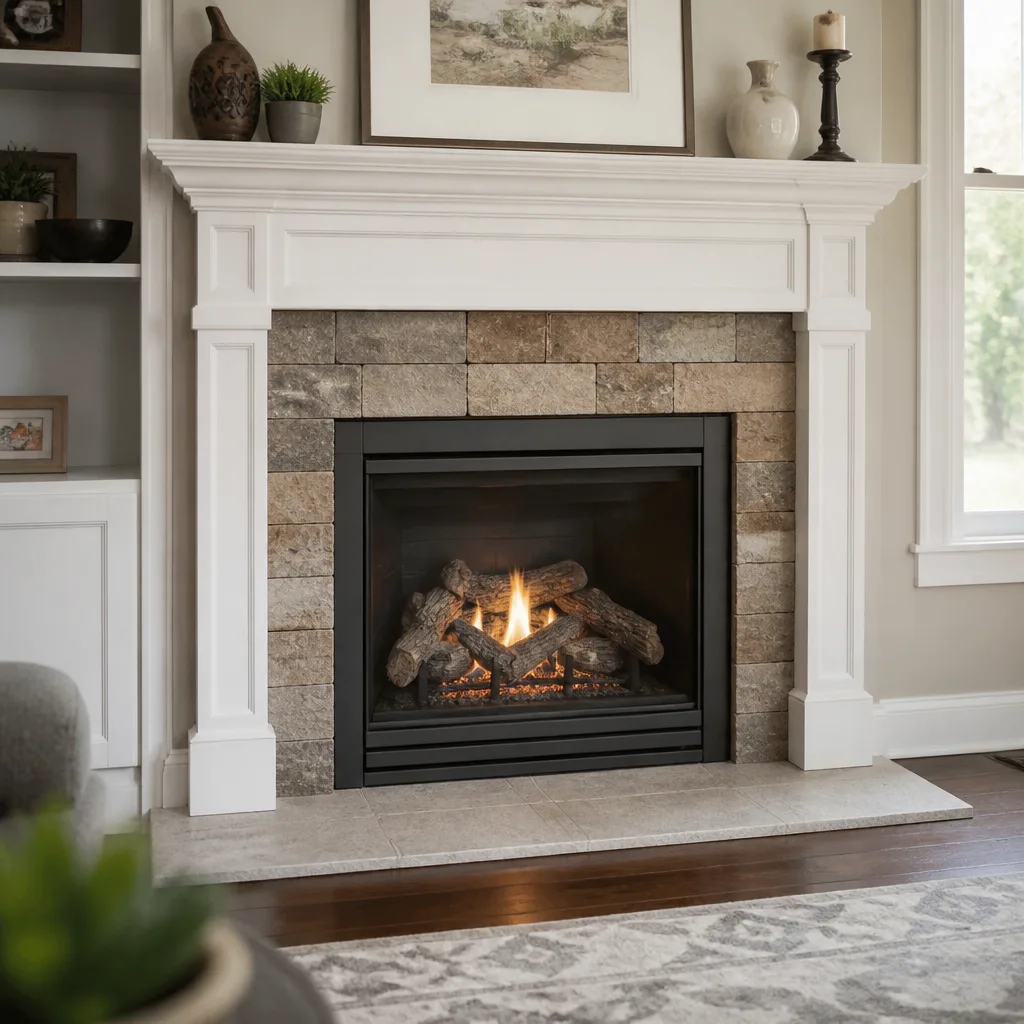
Level 1 sweep and inspection to the NFPA 211 annual standard - flue, crown, cap, and flashing checked and photographed
Chimney sweep logs do not sweep chimneys. They loosen some creosote - which then falls where a brush and vacuum still have to collect it.
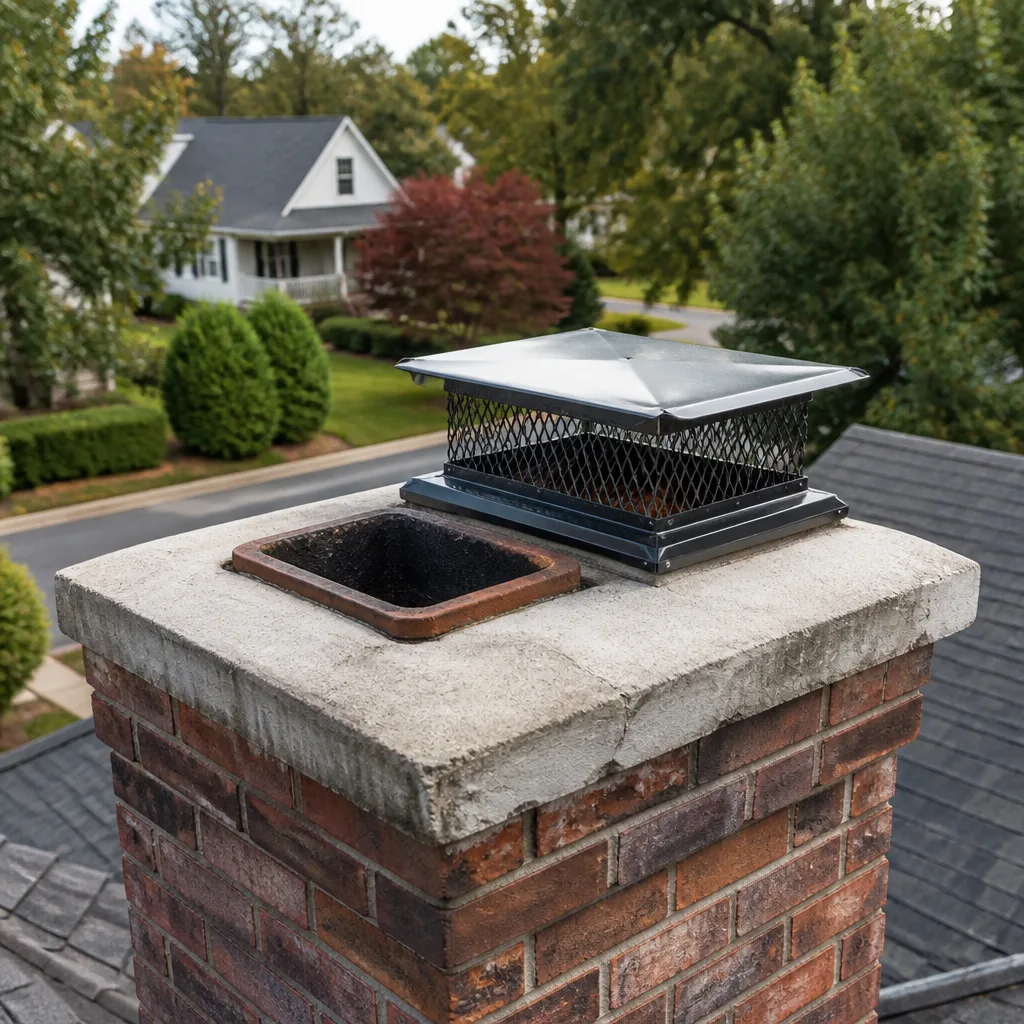
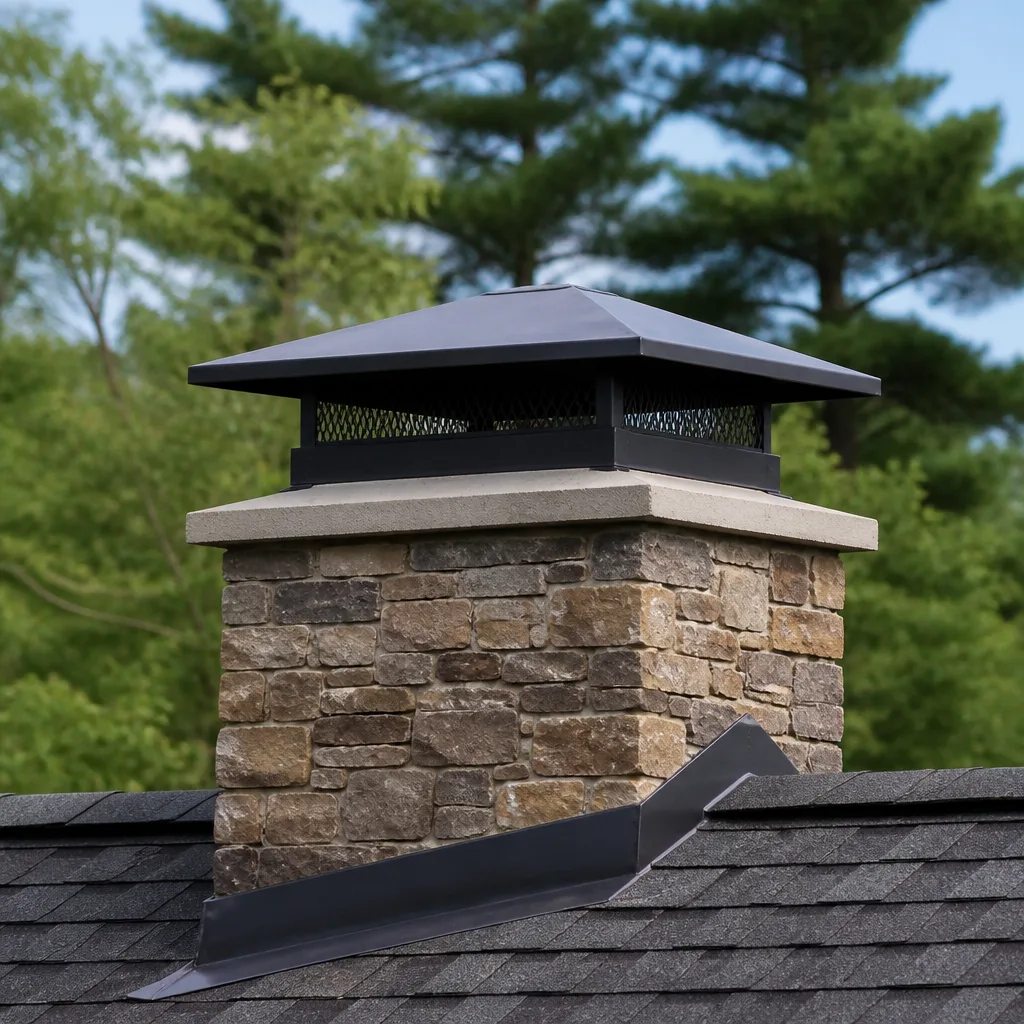
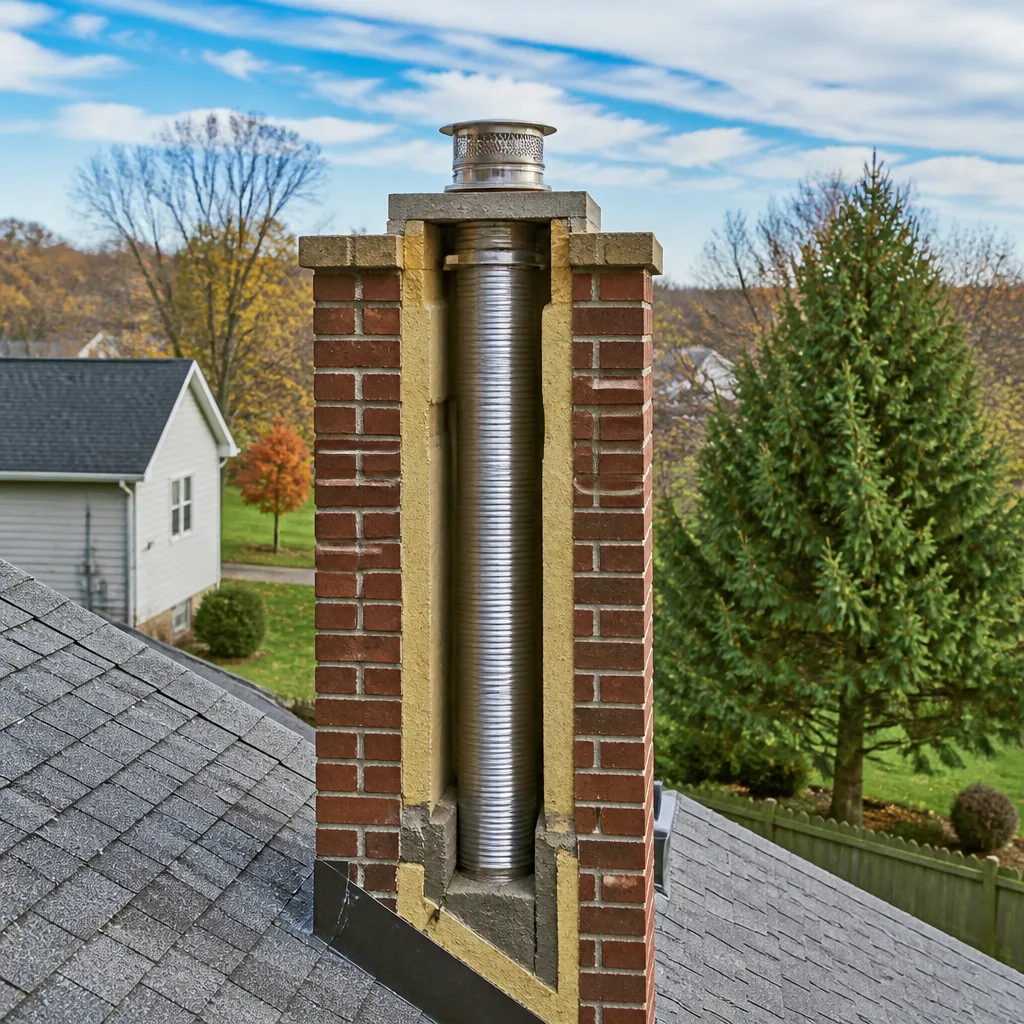
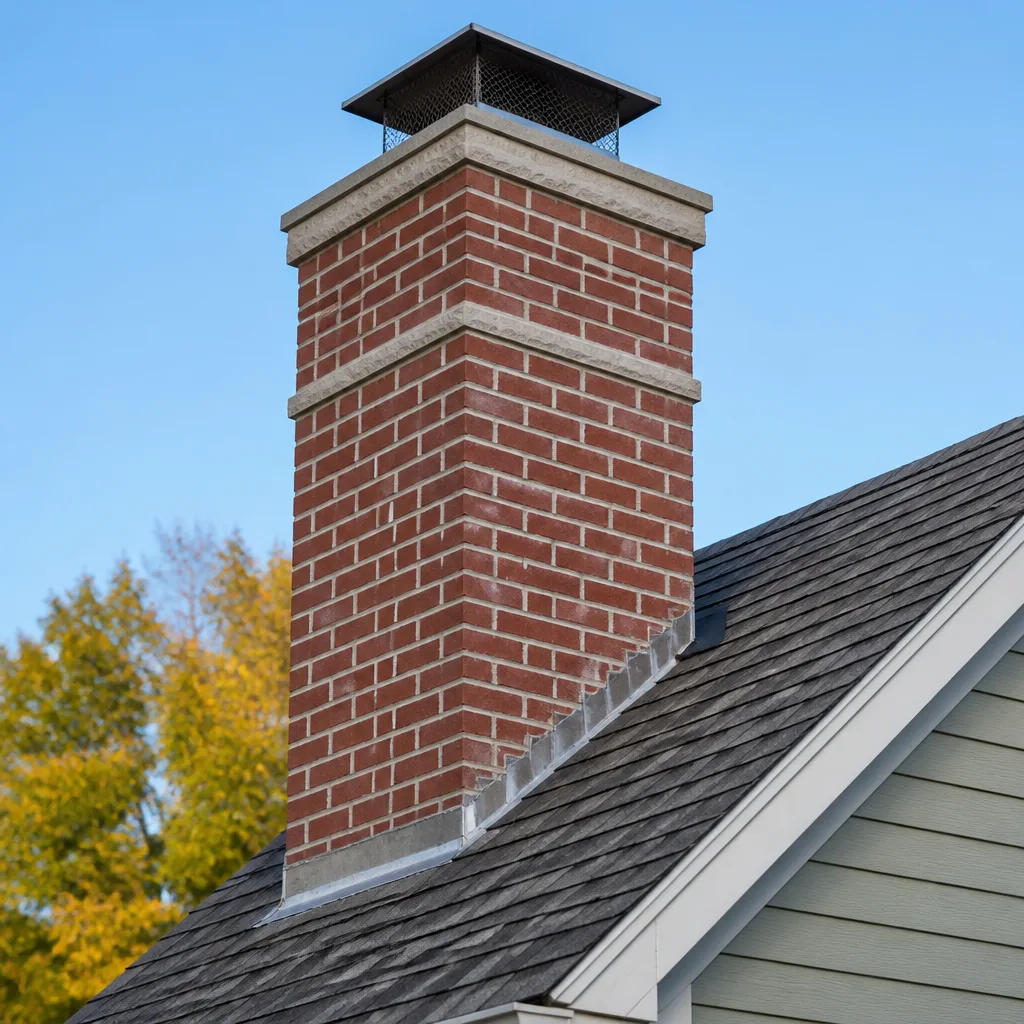
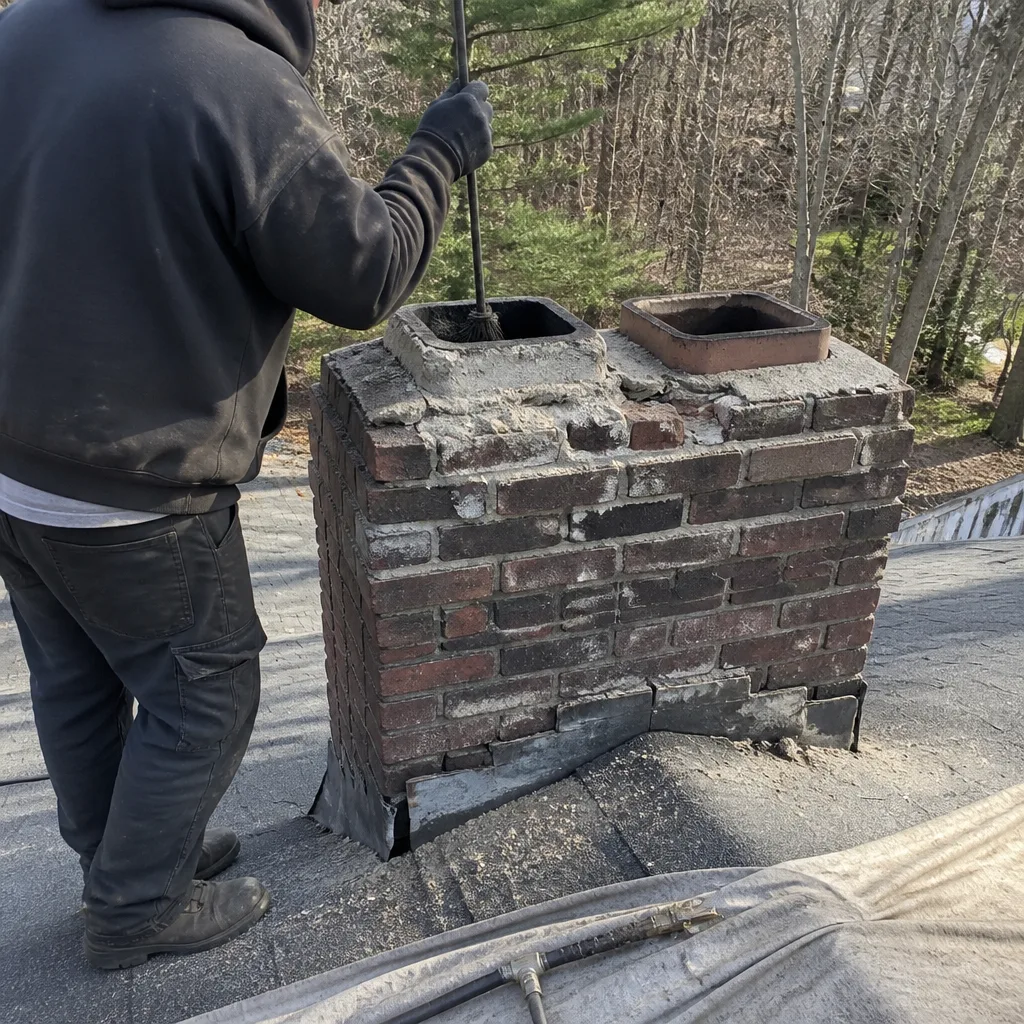 Before
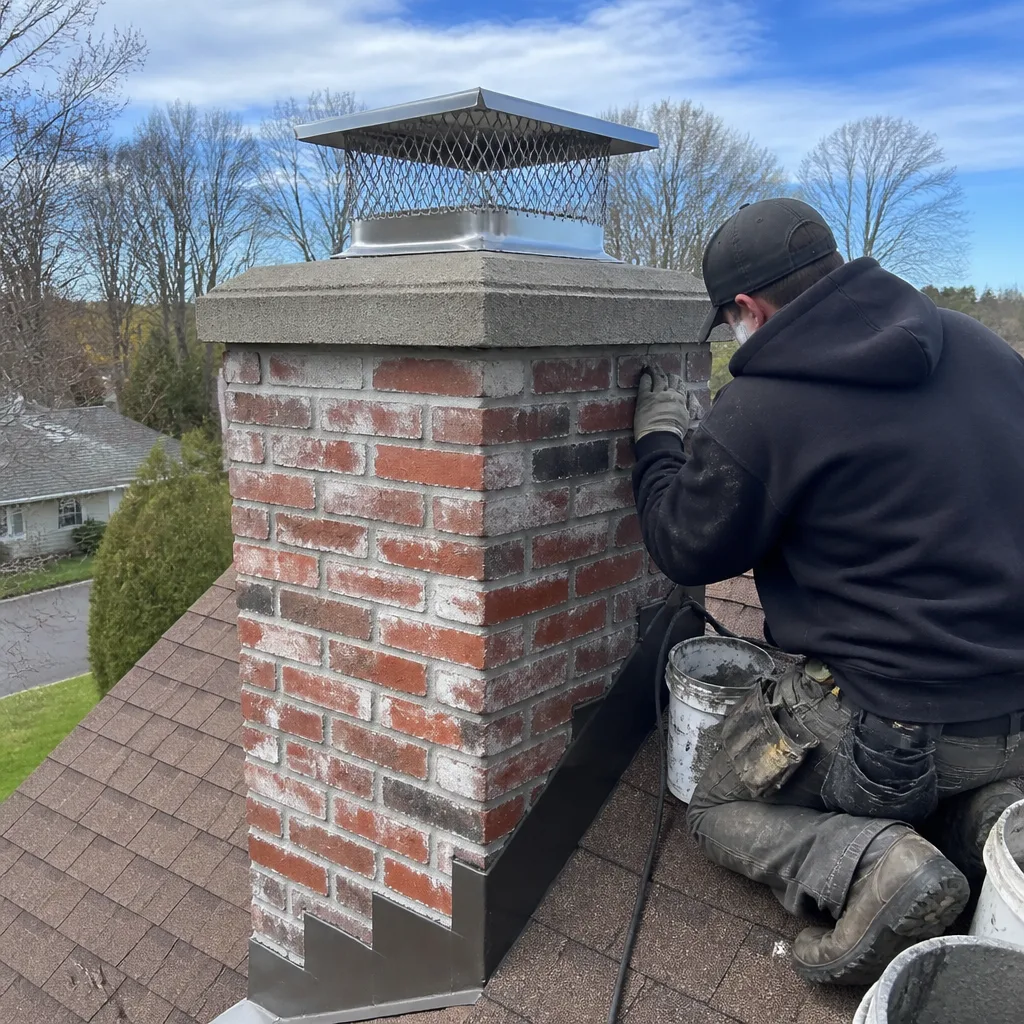 After
After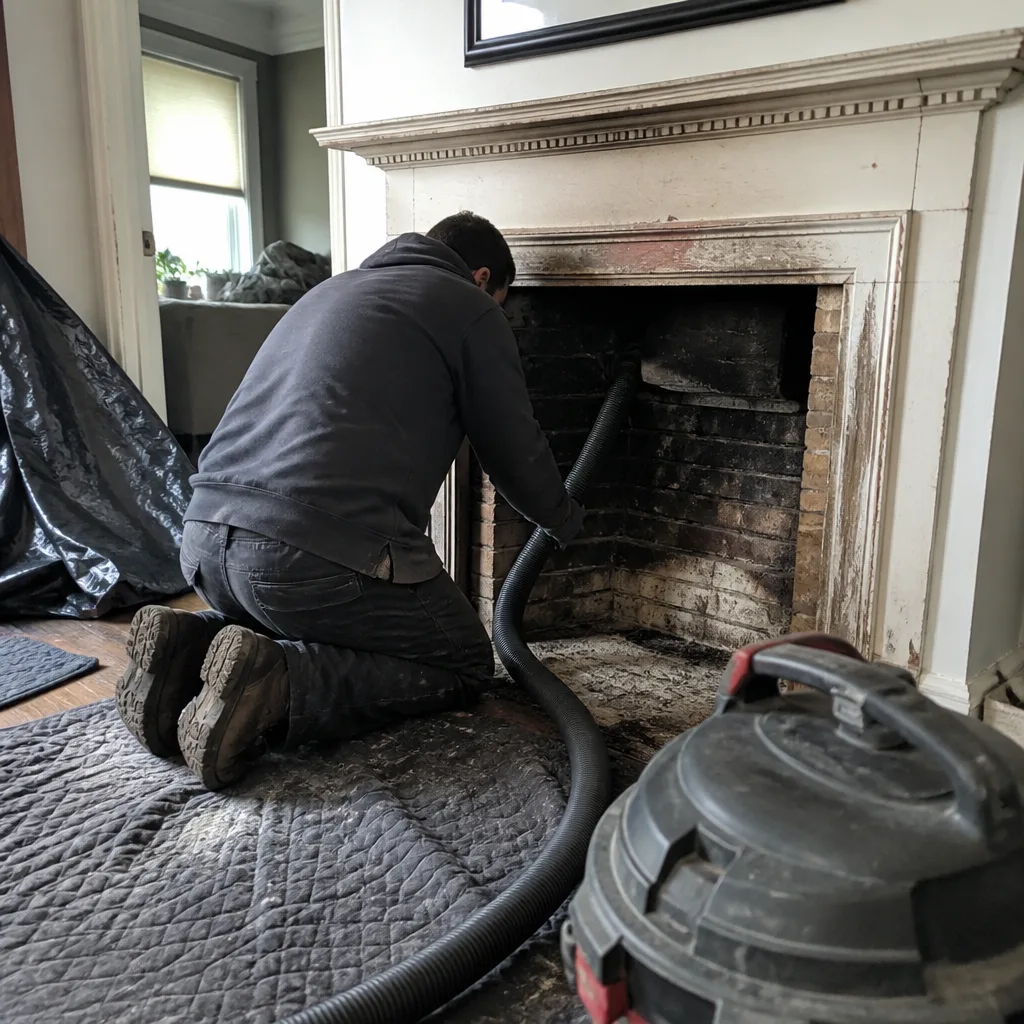 Before
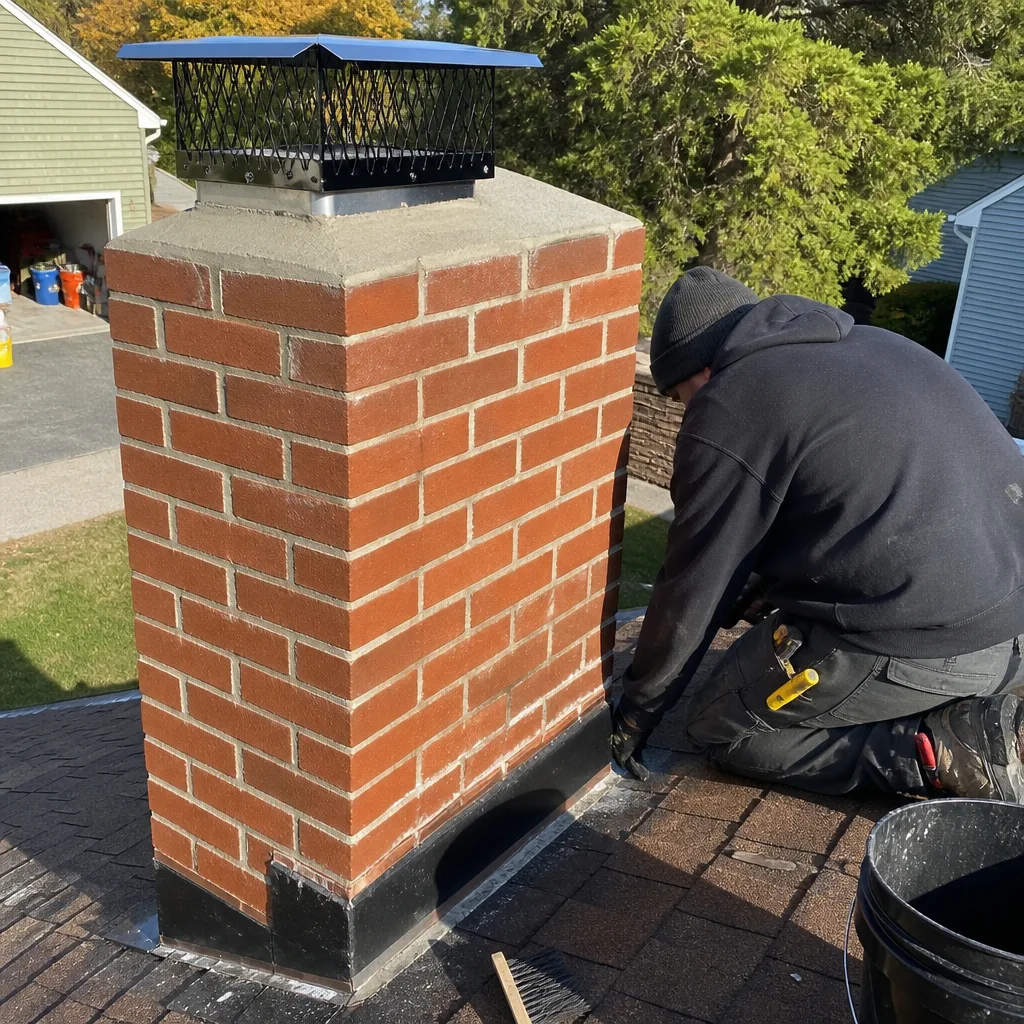 After
After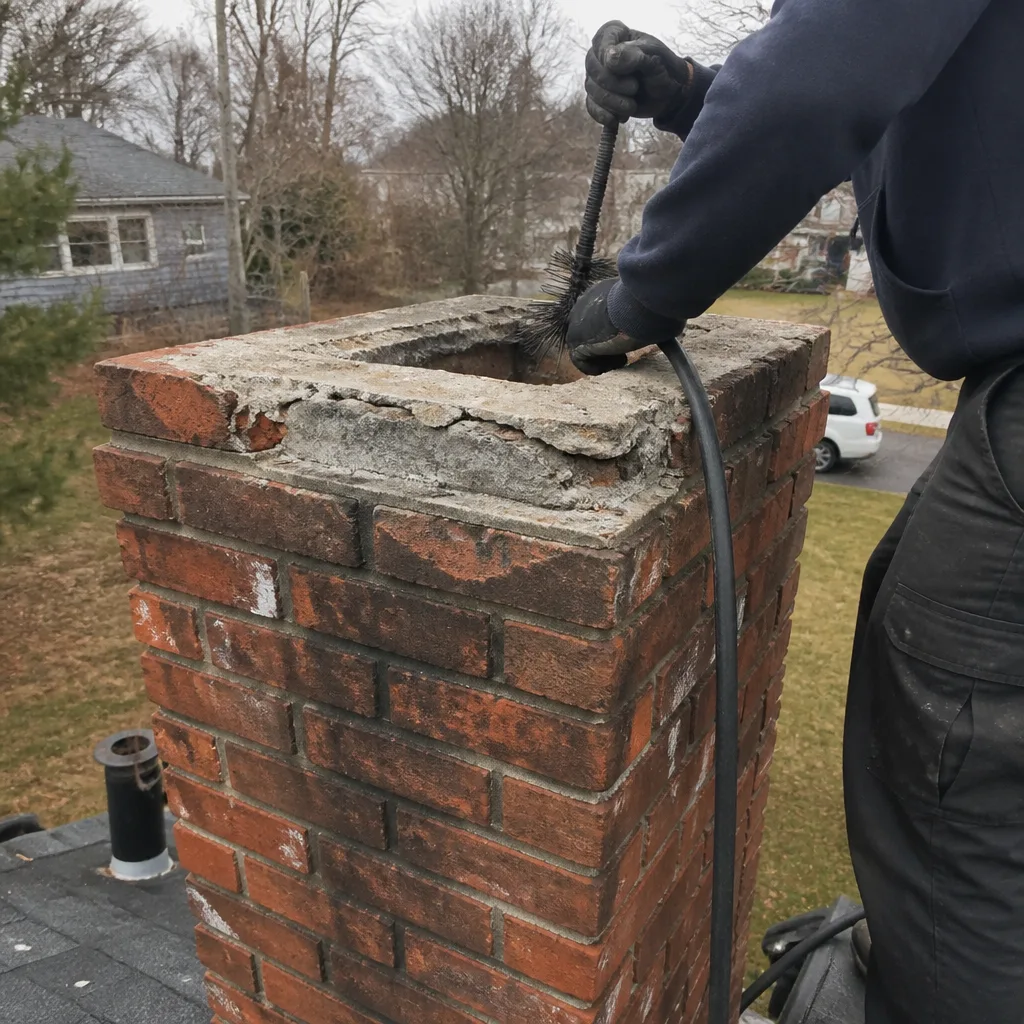 Before
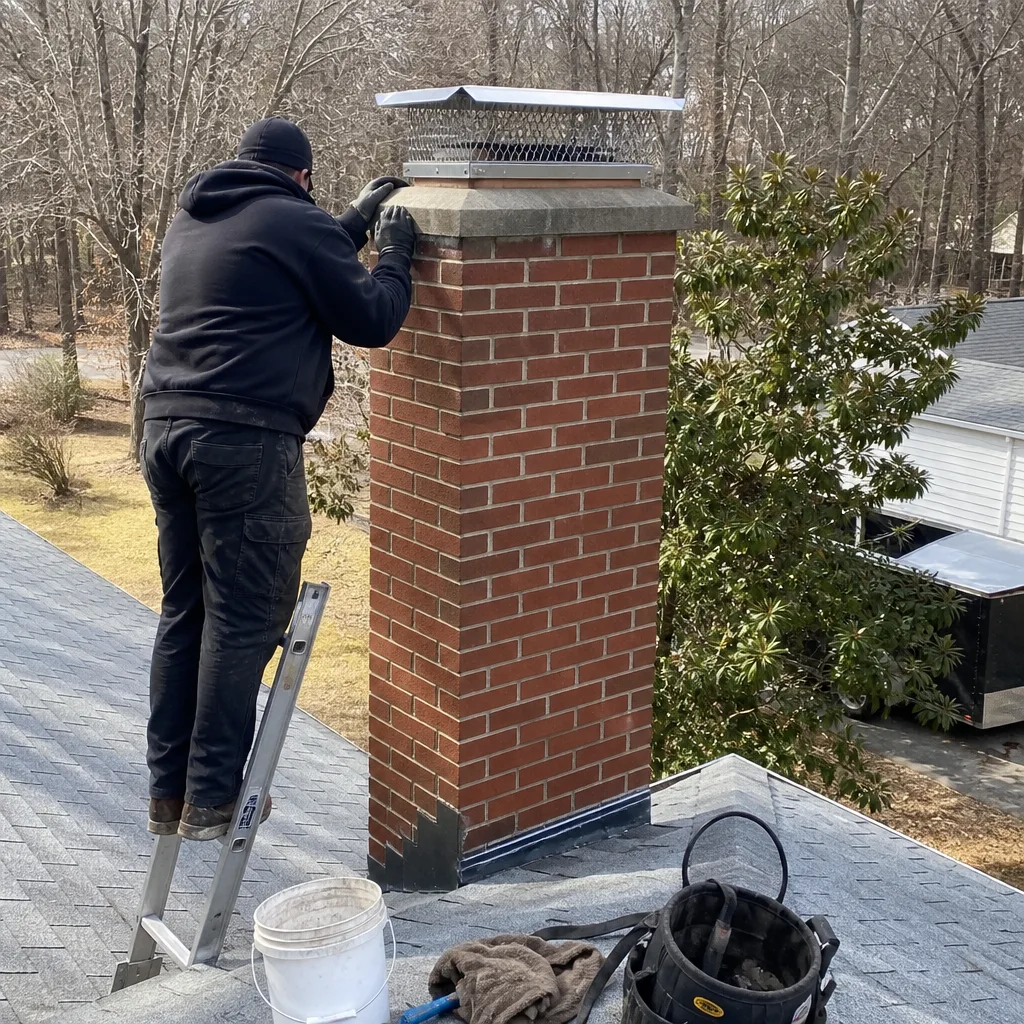 After
AfterChimney Cleaning & Sweep Maintenance Checklist for Taunton Homeowners
Most chimney maintenance checklists tell you to “inspect the flashing” without explaining that buckled flashing on a Taunton home after a hard winter can look perfectly fine from the ground and still be letting water into your framing every time it rains. After 42 years in this business, we’ve learned that a checklist is only useful if it tells you not just what to check, but what a passing result actually looks like. This guide gives Taunton homeowners a room-by-room, season-by-season checklist with plain pass/fail criteria, specific to our coastal New England climate, our freeze-thaw cycles, and the kinds of chimneys you’ll find in neighborhoods from Weir Village to East Taunton.
Quick Answer
A proper chimney maintenance checklist for Taunton homeowners covers monthly fireplace-side observations, seasonal exterior inspections, and annual Chimney Cleaning & Sweep services with a Level-2 camera inspection. Key tasks include checking draft behavior before each burning season, examining mortar joints for cracks wider than 1/4 inch after winter, and documenting findings so your sweep has a history to work from. Most Taunton homes with wood-burning fireplaces need annual sweeping; gas inserts need inspection every 1-2 years depending on use.
Table of Contents
- How Taunton’s Climate Changes Your Maintenance Schedule
- Monthly Fireplace-Side Checklist: What You Can Check Without Tools
- Seasonal Exterior Checklist: Pass/Fail Criteria
- What a Professional Annual Sweep Includes (And What It Doesn’t)
- Record-Keeping Template: Building a Chimney History
- DIY-Observable vs. Camera-Required: Knowing the Line
- Common Mistakes to Avoid
- When to Call a Professional
- Frequently Asked Questions
How Taunton’s Climate Changes Your Maintenance Schedule
Taunton sits at the intersection of coastal moisture and inland temperature swings, and that combination is harder on chimneys than most homeowners realize. Our winters bring freeze-thaw cycles that can open hairline cracks into water highways by spring. Our summers are humid enough to keep masonry damp for weeks. And our fall nor’easters arrive right when people want their first fire, often before they’ve thought to schedule a sweep.
Here’s the month-by-month calendar we recommend for Taunton homes, based on what we’ve seen in neighborhoods from Oakland to Whittenton:
January-February: Mid-burning season check. Look for smoke rollback when you open the damper (more on this below). Check your firebox for new cracks after the heaviest use period. If you’ve had ice damming on the roof, glance at the chimney base for water staining on interior walls.
March-April: Post-winter exterior inspection, after snow load is off but before mud season makes ladder work hazardous. This is when freeze-thaw damage reveals itself. In Taunton, we regularly see spalling brick in April on homes within two miles of the Mill River, where groundwater stays high and masonry never fully dries.
May-June: Schedule your annual sweep now, before the fall rush. June appointments in Taunton typically have 1-2 week availability. By October, that stretches to 4-6 weeks. If you need liner work or masonry repair, summer scheduling lets materials cure properly before cold weather.
July-August: Cap and crown inspection. Summer storms can dislodge caps or crack crowns that were weakened by winter. Check for animal entry; squirrels are active and looking for fall nesting sites.
September: Pre-season fireplace-side check. Test your damper, sniff for musty odors that indicate moisture in the flue, and verify your smoke and CO detectors. Do not light your first fire until you’ve completed this checklist.
October: First fire protocol. Burn small and hot, watch for draft issues, and note any unusual odors. If anything seems off, stop burning and call for inspection.
November-December: Peak burning season. Monitor for changes in draft behavior, new odors, or visible smoke in the firebox. These are early warning signs that something in the flue has shifted.
The key difference for Taunton versus drier inland climates: our masonry never gets a full drying season. A chimney in Worcester might dry thoroughly in August. In Taunton, particularly south of Route 44 where the wetlands are denser, we’ve seen flue tiles stay damp enough to accelerate creosote buildup even in summer.
Monthly Fireplace-Side Checklist: What You Can Check Without Tools
These are observations, not repairs. Every item here is something a homeowner can assess from the hearth side without climbing, without disassembly, and without special equipment. The pass/fail criteria are specific enough that you’ll know whether to document, monitor, or call.
Draft Behavior
Open the damper fully before lighting kindling. Hold a lit match or thin strip of paper at the firebox opening.
- Pass: Flame leans steadily toward the flue; smoke draws upward immediately.
- Monitor: Draft is sluggish for 30-60 seconds, then establishes. Note weather conditions; cold, dense air on a high-pressure day can cause temporary sluggishness.
- Fail: Smoke rolls back into the room, or draft never establishes after two minutes. Do not light a full fire. This indicates blockage, negative pressure in the house, or flue damage.
In Taunton’s older homes, particularly the capes and ranches built in the 1950s-70s, we’ve seen kitchen exhaust fans and dryer vents create enough negative pressure to overcome a properly functioning flue. If your draft fails only when appliances are running, that’s useful information for your sweep.
Smoke Rollback on Opening
When you first open a closed damper, a small puff of smoke or ash should rise, not spill outward.
- Pass: Brief upward movement, then clear air.
- Fail: Visible smoke or ash spills into the room. This suggests creosote buildup, a blocked flue, or a cold plug of air that the flue can’t overcome. Common in Taunton after a damp summer when the flue hasn’t been pre-warmed.
Odor Assessment
Sniff test with damper closed, then open. Different odors signal different problems:
- Musty/mildew: Moisture in the flue. Pass if faint and seasonal; fail if strong or persistent, especially in summer. Indicates leaking crown, failed flashing, or saturated masonry.
- Acrid/bitter: Creosote buildup. Normal in small amounts; fail if strong enough to detect across the room. Schedule sweeping.
- Rot/dead animal: Self-explanatory. Fail. Call for removal and cap inspection.
- Sweet/smokey-burnt: Previous chimney fire. Fail immediately. This is a critical safety issue; the flue liner may be cracked or compromised.
We’ve pulled dead squirrels from Taunton chimneys in every month but January. The oak canopy in neighborhoods like Pleasantville and Hopewell creates highway access to roofs that newer subdivisions don’t have.
Firebox Condition
Visually inspect the firebrick and mortar joints with normal room lighting.
- Pass: Bricks intact, mortar joints recessed no more than 1/2 inch from the brick face, no loose material.
- Monitor: Hairline cracks in firebrick, minor spalling (surface flaking) on brick faces.
- Fail: Cracks wider than 1/8 inch that extend through brick, missing bricks, mortar joints eroded to 3/4 inch or deeper, or any crack that opens into the wall cavity behind the firebox. This last condition can allow fire to reach framing.
Damper Operation
- Pass: Opens and closes fully with smooth operation; no grinding, no visible warping; seals reasonably tight when closed (some light visible around edges is normal on older dampers).
- Fail: Stuck, heavily rusted, visibly warped or detached from handle mechanism, or fails to open fully. A stuck closed damper is a fire and CO hazard; a stuck open damper wastes enormous heat.
Seasonal Exterior Checklist: Pass/Fail Criteria
These checks require binoculars, a ladder, or a ground-level inspection with specific attention to detail. Do not attempt chimney-top inspection without proper fall protection. The criteria below assume observation from the ground, roof edge, or with binoculars.
Mortar Joints (Brick Chimneys)
Examine all visible mortar joints between the roofline and the crown.
- Pass: Joints intact, recessed no more than 1/2 inch, no vegetation growing from joints.
- Monitor: Surface cracking without depth, joints receding to 5/8 inch, isolated patches of deteriorated mortar.
- Fail: Cracks wider than 1/4 inch that run through the joint, missing mortar to depth of 1 inch or more, or any joint where you can insert a pencil tip to its full depth. Also fail if vegetation is established in multiple joints; roots accelerate deterioration and indicate chronic moisture.
The freeze-thaw cycle in Taunton is unforgiving. We’ve repointed chimneys in the Whittenton Mills area where mortar failed completely in five years because winter water intrusion was never addressed. The 1/4-inch threshold is not arbitrary; water enters, freezes, and wedges the crack wider with each cycle.
Brick Faces (Spalling)
- Pass: Brick faces flat and intact, no flaking or chipping.
- Monitor: Minor surface flaking on isolated bricks, typically on the south or west face where thermal cycling is greatest.
- Fail: Brick faces spalled to expose the porous interior (darker, rough texture), multiple adjacent bricks affected, or any brick missing more than 1/4 of its face. Spalling indicates water saturation and freeze damage; it will not stop without intervention.
Crown Condition
The crown is the concrete or mortar cap that seals the chimney top above the flue tile.
- Pass: Intact surface, slight slope away from flue opening, no cracks visible from ground, overhangs brick by at least 2 inches on all sides.
- Monitor: Hairline surface cracking without separation, minor erosion of edges.
- Fail: Any crack that extends through the crown thickness, pieces missing or loose, crown flush with or recessed below brick top (allows water directly into masonry), or separation between crown and flue tile. A failed crown destroys a chimney from the top down; we’ve rebuilt crowns in Taunton where water had rotted the interior framing despite pristine exterior brick.
Flashing
Where the chimney penetrates the roof, examine the metal flashing for proper integration.
- Pass: Metal lies flat against both chimney and roof, no visible gaps, no caulk separation, no rust-through.
- Monitor: Minor lifting at edges, surface rust without penetration, old caulk that appears intact.
- Fail: Buckled or lifted sections (common after ice dam season in Taunton), gaps visible between flashing and masonry, rust holes, or any interior water staining on ceilings near the chimney even if exterior looks acceptable. This last point is critical: we’ve found failed step flashing in Taunton homes where the exterior appeared fine but water was running down the interior chimney breast every rainstorm.
Chimney Cap and Screen
- Pass: Securely attached, screen intact with openings no larger than 3/4 inch, no visible rust-through, proper clearance from flue tile.
- Monitor: Surface rust, minor screen damage.
- Fail: Missing, loose, or visibly damaged cap; screen missing or damaged enough to admit animals; cap contacting flue tile (can block draft or trap moisture); or any cap installed without screen on a wood-burning chimney.
Chimney Lean or Plumb
Stand at a distance where you can see the full chimney height against a vertical reference (corner of house, power pole, or use a level held at arm’s length).
- Pass: Chimney is plumb or within 1 inch of plumb over its full height.
- Fail: Visible lean, separation from house wall at any point, or cracks in the chimney body that widen from bottom to top. Any lean is a structural emergency; do not use the fireplace.
We’ve seen two chimney leans in Taunton’s historic district in the past decade, both on 1890s construction with failed foundations. Both were caught by observant homeowners who noticed the shadow pattern had changed.
What a Professional Annual Sweep Includes (And What It Doesn’t)
A proper chimney sweep in Taunton should include specific, documentable steps. Knowing what to expect protects you from cut-rate work that leaves hazards in place.
What it includes:
- Interior and exterior visual inspection of accessible components.
- Chimney sweep of the flue using brushes sized to your flue diameter, with debris removed from smoke chamber and firebox.
- Level-2 camera inspection: a video camera run the full length of the flue, with the homeowner offered viewing of the footage. At Hearthstone, we provide photos you can see and a plain-English verdict on what they show.
- Written condition report with specific findings, not generic checkmarks.
- Clear statement of what was done, what was found, and what (if anything) needs attention, with priority ranking.
What it does not include unless specified:
- Repair work beyond minor sealant application. Sweeping and repair are separate operations with separate pricing.
- Roof repair, flashing replacement, or structural masonry work. These require specialized trades or additional chimney-specific expertise.
- Cleaning of the dryer vent (a common upsell that has nothing to do with chimney function).
- Automatic “you need a new liner” without camera evidence. In our experience, roughly 60% of Taunton chimneys swept annually show liner conditions that require no immediate action. A recommendation without documentation is a sales pitch, not a diagnosis.
The chimney cleaning and sweep process we use in Taunton follows National Fire Protection Association Standard 211, which requires Level-2 inspection for all chimney sales and transfers, and for any system that has experienced an operating problem or chimney fire. Even if you’re not selling, the Level-2 standard is the right benchmark for annual maintenance on an actively used system.
Our technicians complete most jobs in a single visit, with no-hassle upfront pricing so there are no surprises on the bill. The number on the estimate is the number on the invoice.
Record-Keeping Template: Building a Chimney History
Every chimney sweep starts from zero if you can’t tell them what was found last year. A documented history changes the conversation from “let’s see what’s in there” to “last March we noted a 1/8-inch crack at the flue tile joint; let’s check progression.” Here’s the template we recommend Taunton homeowners maintain:
Chimney Log - [Address] - [Date of Entry]
- Date of professional sweep/inspection:
- Company and technician name:
- Level of inspection performed (1, 2, or 3):
- Flue condition summary (from report):
- Specific findings noted (copy from report):
- Recommendations made and priority:
- Work completed at this visit:
- Work deferred and why:
- Photos/video provided? Y/N, storage location:
- Next scheduled service:
Homeowner Observations (between professional visits):
- Date:
- Observation (draft, odor, visual, etc.):
- Weather conditions:
- Action taken (none, monitored, called for service):
Keep this log with your home maintenance records, and hand a copy to your sweep at each visit. In Taunton, where many homes have changed hands multiple times and chimney histories are often lost, this documentation has saved homeowners from redundant camera inspections and from missing progressive conditions that a single snapshot can’t capture.
We’ve worked on chimneys in the Lakeville area of Taunton where the current owner was the fourth in thirty years, and no prior inspection records existed. A simple log would have shown that crown cracking was first noted in 2017, tracked through 2019, and could have been addressed before water destroyed the interior structure.
DIY-Observable vs. Camera-Required: Knowing the Line
This distinction matters for safety, for your budget, and for knowing when you’re guessing versus when you know. The table below is specific to what a homeowner can verify versus what requires professional equipment and training.
| Condition or Concern | Homeowner Can Verify | Requires Camera/Professional |
|---|---|---|
| Draft behavior, smoke rollback | Yes - observe during normal use | No |
| Firebox cracks, damper operation | Yes - visual and operational check | No |
| Exterior mortar, brick, crown, flashing | Yes - ground, ladder, or binocular observation | No (for initial assessment; repair planning may need closer inspection) |
| Flue tile cracks or gaps | No - not visible from firebox in most chimneys | Yes - Level-2 camera inspection required |
| Creosote buildup thickness and type | Partially - can see surface at damper, but not full flue | Yes - camera and professional gauge measurement |
| Chimney liner integrity (stainless, clay, or cast-in-place) | No | Yes - camera inspection; sometimes smoke test |
| Smoke chamber condition above firebox | No - not accessible without specialized equipment | Yes - camera and light |
| Clearance to combustibles | No - requires knowledge of framing location and measurement tools | Yes - Level-2 or 3 inspection |
| Foundation/structural integrity below roofline | Partially - visible lean or settlement cracks | Yes - structural assessment if any signs present |
The critical safety point: flue tile cracks and liner compromise are not detectable from the firebox in most installations. We’ve inspected chimneys in Taunton where the homeowner reported “perfect draft, no problems,” and the camera revealed a split flue tile with gaps wide enough to admit combustion gases into the wall cavity. Carbon monoxide doesn’t announce itself. Neither does a slow chimney fire in a compromised flue. These conditions require camera verification, period.
That said, your monthly observations are not worthless. They’re early warning. A change in draft behavior, a new odor, or visible smoke in the firebox are signals that something in the flue may have changed. Your observations tell you when to call for camera inspection; they don’t replace it. For additional help, see our more guides & resources.
Common Mistakes to Avoid
- Assuming a clean firebox means a clean flue. The firebox is where you see; the flue is where the danger hides. We’ve swept Taunton chimneys with pristine fireboxes and 1/4-inch glazed creosote in the flue.
- Using the ” flashlight up the flue” test as proof of condition. A flashlight shows you the first few feet and the surface directly in front of you. It cannot show you the full circumference, the smoke chamber, or the top third of the flue where the most damage typically occurs.
- Ignoring musty odors in summer. In Taunton’s humid climate, a musty flue in July means water is entering somewhere. Waiting until October to address it means starting the burning season with saturated masonry, accelerated creosote buildup, and potential freeze damage come January.
- Hiring based on coupon price without verifying what’s included. A $79 sweep that doesn’t include camera inspection, that doesn’t provide a written report, or that uses a shop vac instead of proper chimney rods and brushes is not a bargain. It’s an incomplete service that leaves you with false confidence.
- Deferring crown repair because “it’s just the top.” The crown is the only thing keeping water out of the masonry core. Every dollar deferred on crown repair typically becomes ten dollars in rebuild cost. We’ve rebuilt chimneys in East Taunton where a $400 crown repair in 2019 became a $6,000 rebuild by 2023.
- Not documenting findings between sweeps. Memory is unreliable. “I think the crack was about this big” is not useful to a sweep trying to assess progression. Measure, photograph, write it down.
- Assuming gas fireplaces need no inspection. Gas chimneys don’t accumulate creosote, but they do accumulate moisture byproducts, can suffer liner deterioration from acidic condensation, and share all the same exterior vulnerability to water, crown, and flashing failure. Inspect every 1-2 years depending on use.
When to Call a Professional
Call for professional inspection, not just sweeping, when any of the following occur: smoke or CO detectors activate during fireplace use; visible smoke enters the room at any point during normal operation; you detect a sweet or acrid burnt odor that persists; exterior inspection reveals cracks wider than 1/4 inch, spalling brick, or crown damage; the chimney leans or separates from the house at any point; you’ve had a chimney fire, however minor; or you’re purchasing a home and have no documented inspection history.
Annual sweeping with Level-2 camera inspection is the baseline for wood-burning systems in active use. In Taunton, where our burning season runs roughly October through April and many homeowners use supplemental wood heat, that annual cycle is not conservative; it’s necessary.
Chimney repair in Taunton should follow documented inspection, not guesswork. Hearthstone Chimney Co. offers free estimates in Taunton. Call (774) 310-4281. A live person answers every call, 24 hours a day, 7 days a week. We’ll schedule a time that works, show up when we say, and give you photos you can see with a plain-English verdict. Done right - and we stand behind it.
Frequently Asked Questions
A professional chimney sweep with Level-2 camera inspection in Taunton typically ranges from $250 to $400 for a standard wood-burning fireplace, depending on accessibility, flue condition, and whether debris removal requires additional equipment. Gas fireplace inspections typically run $150 to $250. Our $89 Seasonal Tune-Up is available for qualifying systems; call (774) 310-4281 for details and to confirm your system qualifies. Estimates are free.
Wood-burning fireplaces should be swept annually, per NFPA 211, and more frequently if you burn more than three cords per season or burn unseasoned wood. In Taunton, where oak and maple are common fuel sources and many homeowners burn supplemental wood, annual sweeping is the right standard. Gas fireplaces need inspection every 1-2 years depending on use. Call (774) 310-4281 to schedule - we’ll recommend the right interval based on your specific burning habits.
You need a new liner only if camera inspection reveals damage that compromises safety: cracked or missing flue tiles, gaps between tiles, or a stainless liner with perforations or separation. In our experience across Taunton, roughly 60% of annually maintained chimneys show liner conditions that require no immediate action. We do not recommend liner replacement without camera evidence you can see for yourself, and we’ll tell you plainly when a condition can be monitored rather than repaired. Call (774) 310-4281 for a free estimate with documentation.
Skipped maintenance leads to creosote accumulation, which increases chimney fire risk; moisture intrusion, which destroys masonry from within; and progressive liner damage, which can allow combustion gases including carbon monoxide into living spaces. In Taunton’s climate, water damage accelerates significantly because our freeze-thaw cycles exploit every crack. The cost of deferred maintenance is typically 5-10 times the cost of annual sweeping. A chimney fire can total a home. These are not theoretical risks; we’ve responded to chimney fires in Taunton that began with creosote buildup from two skipped seasons.
You can remove superficial ash and debris from the firebox, and you can observe the conditions in this checklist. You cannot safely clean the full flue or assess liner condition without proper equipment and training. Chimney sweeping requires rods and brushes sized to your flue, industrial vacuum equipment with proper filtration, and camera systems to verify the result. More importantly, the safety assessment that follows sweeping requires training to interpret. We do not recommend DIY flue cleaning. The risk of incomplete work, damaged liner, or personal injury from ladder work exceeds any savings.
May through September offers the best availability and allows time for any needed repairs before burning season. June appointments typically have 1-2 week lead times; by October, that stretches to 4-6 weeks in Taunton. Summer scheduling also lets masonry repairs cure properly before cold weather. That said, we sweep year-round, and if you’re reading this in November with concerns, call (774) 310-4281. We’ll fit you in, and we’ll tell you honestly whether your system is safe for limited use while you wait.
The Bottom Line
A chimney maintenance checklist for Taunton homeowners is only as good as its specificity. Know what to check, know what passing looks like, document what you find, and know which conditions require professional camera inspection. The coastal New England climate - our wet springs, our freeze-thaw winters, our humid summers - means masonry and flue conditions change faster here than in drier climates. Annual professional sweeping with Level-2 camera inspection, combined with the monthly and seasonal observations in this guide, catches problems when they’re small and keeps your system safe through decades of use. We’ve been serving Taunton and surrounding communities for over 42 years. We plan to be here in thirty more. That changes how we approach every job.
Fireplace services in Taunton should be documented, explained, and done right the first time. If you have questions about your specific chimney, or if any item in this checklist flagged a concern, call Hearthstone Chimney Co. at (774) 310-4281. A live person answers every call, 24 hours a day, 7 days a week. We’ll schedule a free estimate, show you what we find, and give you a plain-English verdict you can act on with confidence.
Written by Russell Haines, Owner at Hearthstone Chimney Co., serving Taunton since 2014.